
Nigeria’s Hidden Kitchen Crisis: How Cheaper Cooking Oils Are Fueling a Silent Health Emergency
 Juliet Jacob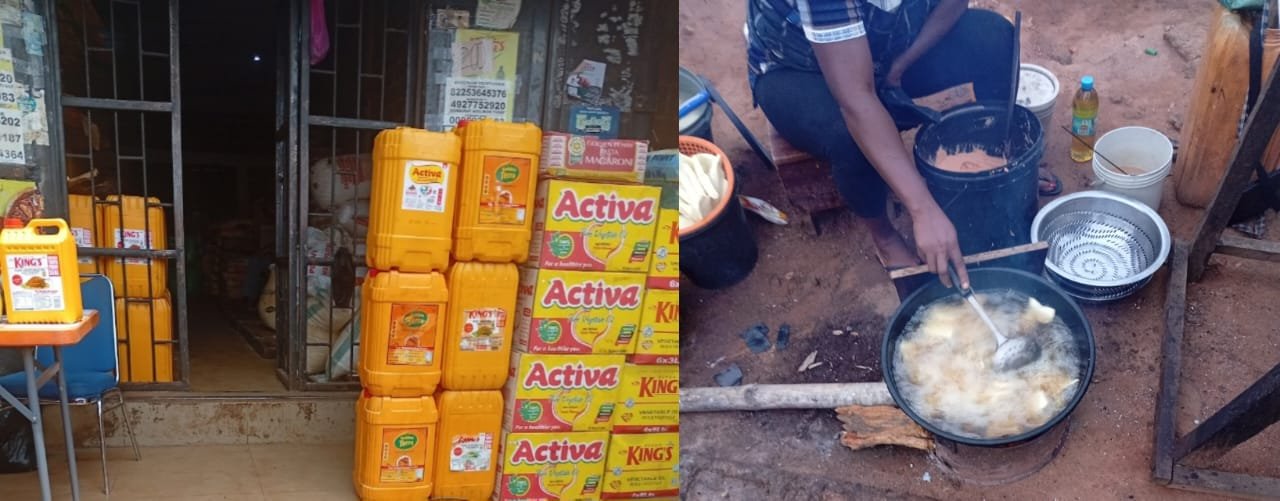
ABUJA, Nigeria – When food vendor Mrs. Chinyere sits before her frying pan each morning in Dutse, Abuja, the rising smoke carries more than the aroma of akara. It holds the story of millions of Nigerians—families and small businesses who once cooked with refined vegetable oil but are now forced into cheaper, riskier alternatives. As prices soar, health risks simmer quietly beneath the surface. Juliet Jacob, writes.
“My sister, everything is costly now,” she said, her voice rising above the street noise. “A 25-litre keg of oil is almost ₦70,000. How can a small business like mine survive with that? Customers want food they can afford, so I have no choice but to buy the cheaper oil. It may not be the best, but at least I can still cook and feed my children.”
Her words echo across markets, kitchens, and food stalls around the country.
A Crisis Born in the Marketplace
Once a household staple, vegetable oil has witnessed an astonishing price surge. What sold for around ₦1,000 per litre now costs between ₦3,000 and ₦4,000. A 5-litre container has climbed from ₦6,000 to as much as ₦16,500. For larger commercial users, a 25-litre keg now ranges from ₦60,000 to ₦75,000.
This inflation has pushed many to affordable substitutes—chiefly unrefined palm oil and locally pressed groundnut oil. In Abuja’s Dutse Market, vendor Madam Rose observed:
“Before the subsidy removal, most families preferred refined oils. But now, people go for palm oil first because it’s about half the price. Sales of unrefined oils have nearly doubled in the past year.”
But affordability, in this case, comes at a price beyond the market.
The Economic Domino Effect
The surge aligns directly with the removal of fuel subsidies and the weakening naira. Transport costs rose. Importers passed the burden to distributors. Retailers increased prices. Consumers bore the impact.
Street food vendors—key to daily survival in Nigerian cities—are trapped between profit and public health.
“Why use refined oil at ₦5,000 for the smallest size when palm oil does the job at ₦2,500?” asked fritter seller Chinedu Okoro in Lagos. “We reuse the oil multiple times to cut costs—fry, refry, and refry again. It’s how we stay in business.”
This repeated use of oil is where the real crisis begins.
The Health Threat in Every Spoonful
Public health experts warn that the shift towards cheaper, repeatedly heated oils is quietly accelerating Nigeria’s burden of non-communicable diseases.
“Refined oils undergo processing to remove impurities, making them safer for high-heat cooking,” explained Dr. Fatima Adebayo, Nutritionist at the Nigerian Institute of Medical Research. “Unrefined oils can contain contaminants if not properly sourced. The real danger comes from refrying—each cycle increases free radicals, leading to higher LDL cholesterol.”
According to the World Health Organisation, over 25% of Nigerian adults now have elevated cholesterol, a number that has risen sharply in the past decade. Cardiovascular diseases account for 29% of deaths nationally.
For children raised on fried foods and reheated oils, early-onset obesity and metabolic disease loom ominously.
“It’s not just a health issue; it’s an economic one,” Dr. Adebayo added. “Families lose breadwinners, and the nation loses productive citizens.”
Global Forces, Local Health Risks
To understand the wider context, Dr. Akinwumi Adesina, President of the African Development Bank, pointed to the infiltration of low-grade oils into African markets.
“We need stricter testing for cheaper oils entering the market. Transparency in sourcing and labelling is key to protecting consumers,” he said.
Adesina’s warning aligns with AfDB data showing that adulterated oils—sometimes recycled industrial oils—have found their way into informal distribution chains.
The health consequences include Liver damage, Inflammation, Increased cancer risk, and
Cholesterol imbalance
Yet for many households, the alternative is hunger.
Regulatory Gaps and Marketplace Reality
The National Agency for Food and Drug Administration and Control (NAFDAC) oversee standards for oils, but their enforcement power remains limited—particularly in informal markets.
“We’re ramping up inspections,” a NAFDAC official shared. “But public education on the risks of reused oils is crucial. Simple steps like single-use frying can make a difference.”
For most Nigerians, however, single-use frying is a privilege.
Human Stories Behind the Crisis
Mrs. Antonia, a mother of three in Nyanya, captured the dilemma:
“I know some of these oils are not pure. Sometimes when you fry with them, they darken quickly and have a strange taste. But what can we do? As long as my children can eat, I thank God.”
Mrs. Grace, a food vendor in Bwari, expressed resignation:
“When I fry it, it smokes fast and sometimes leaves black residue. Customers now want to pay more for food, and I must sell to survive. If I buy the expensive one, I go to a nearby shop.”
Mrs. Ruth, selling snacks on the outskirts of Abuja, added:
“I know it’s not the best option, but things are just too expensive now. If I buy the costly oil, my profit will be gone.”
These are not isolated confessions—they are a national chorus.
Expert Perspective: What Must Change
Public Health Physician at General Hospital Abuja, Dr. Nwachuku, summarised the stakes succinctly:
“People buy what they can afford. It’s not ignorance—it’s survival. Public health campaigns must balance affordability and safety. Healthy oils should not be a luxury—they should be a basic right.”
He recommended: Stronger penalties for oil adulteration, Affordable small packaging of certified oils, Support for local oilseed production, and public education on safe frying practices
A Crisis That Can Be Prevented
Nigeria stands at a crossroads. If policymakers, health authorities, and consumers continue on the current path, the country risks trading today’s household savings for tomorrow’s hospital bills.
Cheaper oil is not cheap. It is merely deferred harm.
The price of cooking oil is no longer just an economic issue—it is a public health emergency. As Nigerians stretch their budgets, the nation must ensure that they do not stretch their health to breaking point.
The message is simple, urgent, and clear:
Reconsider the oil you pour. Demand transparency. And rethink that refry.
About the Author


 Mirian Gom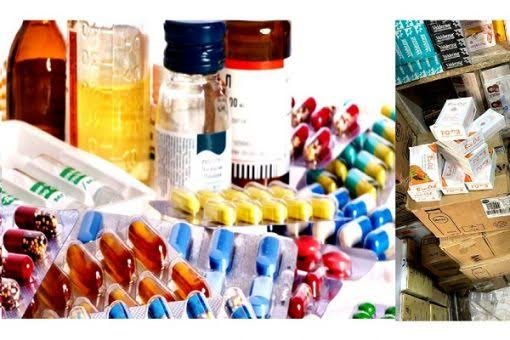


 Korede Abdullah