


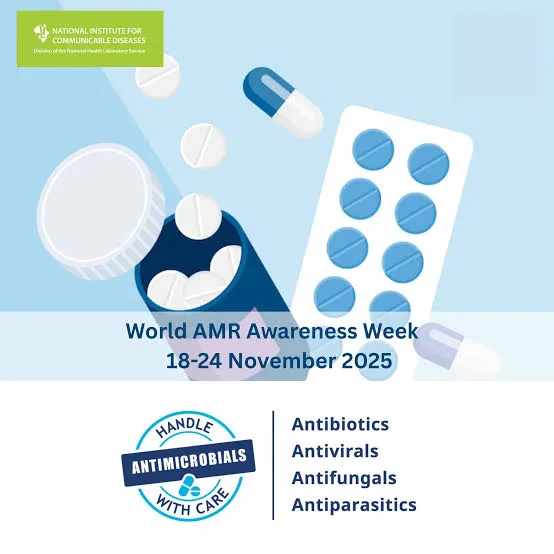
ABUJA, Nigeria – Millions of lives are at risk across sub-Saharan Africa as drug-resistant infections undermine the effectiveness of antibiotics, with the World Health Organisation (WHO) warning that the region has the world’s highest death rates associated with antimicrobial resistance.
The WHO Regional Director for Africa, Dr Mohamed Janabi, raised the alarm in a Wednesday message marking the 2026 World Antimicrobial Resistance Awareness Week, observed from November 18 to 24. Janabi said bacterial antimicrobial resistance was associated with an estimated 4.7 million deaths globally in 2021, with sub-Saharan Africa bearing the heaviest mortality burden. Antimicrobial resistance occurs when bacteria, viruses, fungi and parasites develop the ability to withstand medicines designed to kill them or stop their spread, making infections increasingly difficult to treat.
Janabi warned that rising resistance to antibiotics could undermine essential medical procedures, including surgery, cancer treatment and organ transplantation, which depend on effective antimicrobial medicines to prevent and manage infections.
He identified the inappropriate use of antimicrobial medicines in humans and animals, poor infection prevention, inadequate access to clean water and sanitation, and unsafe waste disposal as major factors driving the problem.
According to him, tackling the threat requires coordinated action across human health, animal health, agriculture and the environment, rather than treating antibiotic resistance as a problem confined to hospitals. Despite the growing burden, Janabi said countries in the WHO African Region had made progress in strengthening their response.
He disclosed that all 47 member states now had national action plans on antimicrobial resistance, while 44 could conduct susceptibility testing for priority bacterial pathogens to help determine which antibiotics are likely to work against infections.
He added that 36 countries had adopted the WHO classification system for antibiotics to promote responsible prescribing and use. However, Janabi called on governments to move beyond policy commitments by providing funding for national action plans, strengthening laboratory capacity and surveillance systems, and improving infection prevention in hospitals and farms.







Join the conversation