


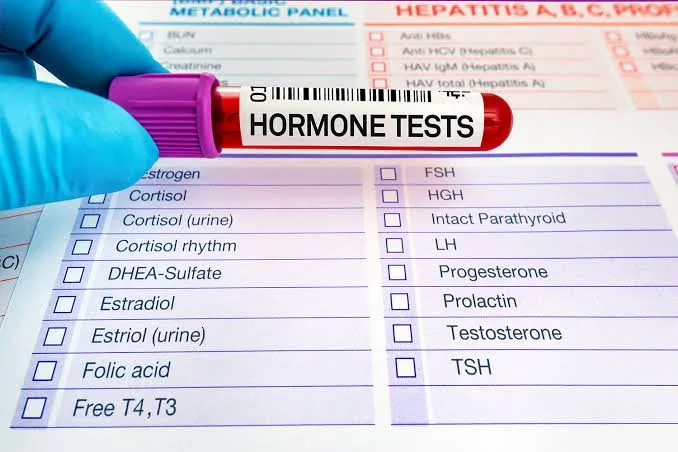
ABUJA, Nigeria – From cutting out sugar and carbohydrates to taking herbal mixtures and supplements, more women are turning to diet in search of relief from menstrual pain, irregular periods and other symptoms they associate with hormonal imbalance. But as Hope Ajayi reports, while healthy eating can support hormonal and reproductive health, many claims about hormone-balancing foods and natural remedies lack sufficient scientific evidence.
Hormones regulate essential body functions, including menstruation, sleep, mood, growth and reproduction. When women experience irregular periods, weight changes, acne or painful menstruation, they may suspect a hormonal problem. However, these symptoms can have several causes and do not automatically indicate hormonal imbalance.
For some women, the search for answers has extended beyond hospital consultations to dietary changes, supplements and herbal remedies. Their experiences reflect the growing appeal of food-based approaches to women’s health. However, medical professionals warn that improvements following lifestyle changes do not necessarily prove what caused a condition or what made it better.
Searching for Answers Beyond the Hospital
Becky, a secondary school teacher in Abuja, began searching for answers after experiencing severe abdominal pain outside her menstrual period in 2021. Following a hospital visit, she was diagnosed with an ovarian cyst. She said a doctor linked the condition to hormonal imbalance but did not fully explain its cause.
Years later, Becky turned to online information about diet and lifestyle changes. She reduced processed sugar, increased her intake of protein and fibre, cut down on fried foods and began taking vitamin D3 with K2 and magnesium glycinate.
She subsequently noticed a reduction in menstrual pain. After a scan reportedly showed that her ovarian cyst had increased in size in 2025, a later examination indicated that it had reduced. Becky believes her lifestyle changes contributed to the improvement. However, her experience does not establish that the dietary changes or supplements caused the cyst to shrink.
Ovarian cysts vary in type, and some can change in size or disappear without treatment. Their management depends on factors such as size, appearance, symptoms and the woman’s medical history. Her experience raises an important question: can women determine whether dietary changes are improving their health or whether the changes are occurring for other medical reasons?
When Menstrual Changes Raise Concerns
For Victoria Audu, a 26-year-old entrepreneur, concerns about her health began after she received a family-planning injection. She said she subsequently experienced irregular and heavy bleeding, sometimes bleeding twice in one month. She also reported menstrual cramps and weight fluctuations.
At one point, Victoria obtained tranexamic acid from a pharmacy to reduce the bleeding before eventually seeking hospital care. She later underwent medical tests and received medication, injections and supplements over approximately 15 months. During treatment, she also reduced her sugar intake and changed her diet and lifestyle. She reported that her symptoms improved and that she was eventually told her hormone levels had returned to normal.
However, the timing of her symptoms does not establish that the contraceptive caused every health problem she experienced. Hormonal contraceptives can affect menstrual bleeding, but other conditions can also cause irregular or unusually heavy periods. Her experience highlights why women should seek medical assessment when menstrual changes persist rather than rely solely on medication obtained from pharmacies or assume every symptom is caused by hormonal imbalance.
How Social Media Shapes Women’s Health Choices
Not every woman who suspects a hormonal problem has received a medical diagnosis. Another woman interviewed for this report became concerned after noticing changes in her menstrual cycle. Information she encountered on social media led her to suspect hormonal imbalance, although she had not received a confirmed diagnosis.
She increased her intake of protein and water and tried supplements and herbal products, including cinnamon. She reported improvements after making these changes. Her experience reflects how social media influences women’s health decisions, particularly when online claims promise simple solutions to complex medical problems.
However, changes in menstrual timing alone do not confirm hormonal imbalance. Menstrual cycles can vary because of stress, weight changes, pregnancy, contraception, thyroid conditions and other reproductive health issues. Although the experiences of Becky, Victoria and the other woman differ, they share a common thread: each sought ways to understand or manage changes in her body. Their accounts are important, but they do not establish that particular foods, supplements or herbs caused their reported improvements.
Can Food Really Improve Hormonal Health?
Diet can influence general health and help manage certain medical conditions. However, its effects depend on the individual and the underlying health problem.
A balanced diet containing fruits, vegetables, whole grains, protein and healthy fats provides nutrients the body needs to function properly. Reducing excessive added sugar and highly processed foods can also support metabolic health. For some women living with polycystic ovary syndrome (PCOS), healthy eating and regular physical activity can improve blood sugar regulation and other aspects of metabolic health.
However, dietary changes do not guarantee that all PCOS symptoms will disappear.
Idehen Joseph Victor, a 26-year-old nutritionist at Jericho Specialist Hospital, explained that food can support hormonal health but cannot automatically correct every hormonal problem. “Diet can support hormonal health, but its effects depend on the individual and the underlying condition. It is not a guaranteed standalone treatment,” Victor said.
According to him, no single food can balance all hormones. Although healthy eating supports general wellbeing, women should be cautious about online advice promising to correct hormonal problems by eliminating particular foods. Some women are encouraged to avoid carbohydrates, stop consuming dairy products or follow restrictive meal plans to manage symptoms they associate with hormonal imbalance.
However, not every woman needs the same diet. Unnecessarily eliminating entire food groups can make it harder to obtain essential nutrients and may create additional nutritional problems.
Victor stressed the importance of understanding the underlying health problem before making major dietary changes.
The Risks of Herbal Remedies and Supplements
Beyond dietary changes, some women turn to herbal remedies and supplements promoted as natural solutions for hormonal problems. Becky’s experience illustrates how online information can influence these choices. She included ginger, garlic, turmeric and black pepper in her dietary changes and also took supplements she believed supported her health.
However, scientific evidence supporting herbal remedies varies. Ginger, for instance, has been studied for its possible role in reducing menstrual pain. This does not establish that it treats hormonal disorders or shrinks ovarian cysts. Victor advised women to be cautious about claims that particular foods or supplements can correct hormonal problems. Some supplements have been studied for specific conditions, but this does not mean they are necessary or effective for every woman.
Nurse Eze Madeleine Chimezie of Ashmed Specialist Hospital, Abuja, also warned against assuming that products are safe or effective simply because they are described as natural. “Natural does not always mean safe,” Nurse Eze explained, noting that herbal products and supplements can cause side effects or interact with medication. She advised women to consult qualified healthcare professionals before using supplements, particularly when taking medication or managing an existing health condition. Products advertised as hormone-balancing remedies, she cautioned, should never replace medical assessment or prescribed treatment.
When Should Women Seek Medical Attention?
Irregular periods, painful menstruation, acne and weight changes can have different causes. Women cannot confirm hormonal imbalance from these symptoms alone. According to Nurse Eze, healthcare professionals assess symptoms, menstrual history and medical background before deciding whether further investigations are necessary.
Depending on the circumstances, these may include blood tests, pregnancy tests, ultrasound scans or other examinations. Not every woman requires all these tests; the appropriate approach depends on her symptoms and clinical findings. She explained that dietary changes may support the management of some conditions but cannot replace medical care when treatment is necessary. Some women may benefit from lifestyle changes alongside medical treatment, while others may require medication or additional interventions. Women should seek medical attention if menstrual irregularities persist, bleeding becomes unusually heavy or prolonged, or pain interferes with daily activities.
Very heavy bleeding accompanied by dizziness or fainting, as well as sudden severe abdominal or pelvic pain, requires urgent medical attention. Women who notice menstrual changes after starting contraceptives should also consult a healthcare professional rather than assume the symptoms are harmless or attempt to manage them without understanding the cause.
Beyond What Is on the Plate
For women trying to understand their bodies, the message is not that food is unimportant. Rather, diet is only one part of a much bigger picture. Eating balanced meals, drinking enough water, getting adequate sleep and engaging in regular physical activity can support general health. For women managing certain conditions, these habits may also form part of a broader treatment plan. However, they should not be presented as guaranteed cures for hormonal disorders, ovarian cysts or menstrual problems.
The issue also concerns younger girls beginning to menstruate. Understanding how the menstrual cycle works and knowing when to speak to a trusted adult or healthcare professional can help them avoid unnecessary fear and misinformation. For adult women, tracking menstrual cycles and seeking medical advice when unusual changes occur can make it easier to explain symptoms during consultations. Personal stories can help women recognise that others face similar challenges. However, one woman’s experience is not proof that the same diet, supplement or herbal remedy will work for everyone.
Ultimately, women need reliable information to distinguish medical evidence from online claims. Healthy eating can support the body, but it cannot answer every health question. Understanding hormonal health begins with paying attention to the body, asking questions and seeking appropriate medical advice. What a woman eats matters, but knowing when she needs medical care matters just as much.





Join the conversation