



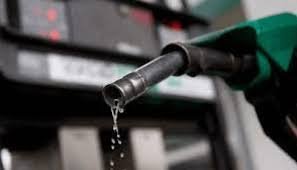
ABUJA, Nigeria – Abuja motorists have reported mixed experiences with the Nigerian National Petroleum Company Limited’s (NNPC) ₦66-per-litre petrol discount, with some accessing the savings through its mobile application while others remain unaware of how to benefit.
Findings by Africa Health Report at two NNPC filling stations in the Federal Capital Territory showed gaps in public awareness and differing views on the impact of the intervention, which the company introduced to mark Nigeria’s 66th Independence Anniversary.
The discount began on October 1, 2026. On October 8, the Minister of Finance and Coordinating Minister of the Economy, Taiwo Oyedele, announced a 30-day petrol-price relief measure. NNPC subsequently said its discount would run until October 31 at its retail stations nationwide. The company maintained that the initiative was a temporary price intervention and not a return to the former petrol subsidy regime.
During visits to the NNPC Limited Mega Gas Station on NAL Boulevard in the Central Business District and its Wuse Zone 1 outlet, reporters observed motorists buying petrol through the regular sales process. Some customers said they used the NNPC Fuel App to access the discount, while others were unfamiliar with the application.
A tutor and graphic designer, Olarewaju, said he had noticed a reduction in petrol prices, although he considered the difference relatively small. He recalled that petrol had sold for nearly ₦1,500 per litre at some filling stations in previous weeks but said prices had fallen to between ₦1,420 and ₦1,430 at some private outlets and ₦1,405 at the NNPC station he visited. “My reaction then was that some weeks back, the fuel price was about ₦1,500. But today, I discovered that some filling stations are selling at ₦1,420 or ₦1,430. Here at NNPC, they are selling at ₦1,405,” he said.
Olarewaju urged the government and petroleum sector operators to consider the financial pressure facing Nigerians and sustain measures that could reduce fuel costs. A 27-year-old pharmacist, Bernard, who had used the NNPC Fuel App, described the application as easy to operate but said the savings had not significantly reduced his fuel expenses.
He said he had used the discount once and could not yet assess its longer-term impact. “When I buy up to ₦60,000 worth of fuel and the only difference is just ₦800, ₦2,000 or ₦3,000, then the difference is not much,” he said.
Bernard, however, supported extending the initiative, arguing that even modest savings could benefit other motorists.
Lawrence, who uses his vehicle for private and occasional commercial purposes, said he had accessed the discount since the beginning of October but had seen little change in his overall expenses.
He said a saving of about ₦3,000 on a ₦30,000 fuel purchase offered some relief but was insufficient to make a substantial difference, particularly for long-distance journeys. “Anything that has a reduction has this advantage or favour to daily consumption,” Lawrence said, urging the government to consider a more lasting reduction in fuel prices.
Other motorists interviewed said they had not heard about the discount or did not know how to access it. Mrs. Juliet Duru, an employee of the National Health Insurance Scheme, said she was unaware of the initiative and questioned whether an application-based system could exclude people without smartphones or the necessary information. “I don’t know about the discount, and nobody told me about it. I believe it is just a policy and it is not effective. Imagine they attach it to an app; what if I don’t have a phone?” she said.
Ali Osoku Akoshi, a worker who also drives commercially after work, said he had heard about a code for accessing the discount but had not received enough information to understand how the scheme worked. “They should create more awareness. Even me, I don’t know anything about it,” he said.
Akoshi described the pressure of rising living costs, explaining that he sometimes picked up passengers after work to raise additional money for fuel and food for his children. A commercial driver, Ikechukwu, also said he had never heard of the NNPC Fuel App and that his fuel expenditure had remained unchanged. “I have not heard about the app before. The amount I spend on fuel has not changed, and I would like to know more about it,” he said.
Their accounts point to possible gaps in awareness and access, particularly among motorists who depend on their vehicles for daily income. An NNPC station manager in Wuse, who declined to be named because he was not authorised to speak to the media, said he understood from his superiors that the promotion would continue beyond its initial one-month period.
He also said the application would remain available to customers, adding that most motorists were aware of it, although some might not know how to use it. However, economist Abdulnaseer questioned the intervention’s effectiveness, arguing that the conditions for accessing the discount could exclude low-income earners and people in rural communities.
He said an application-based arrangement could disadvantage consumers without smartphones or reliable access to digital services. He also cited farmers who rely on petrol for irrigation and other agricultural activities but may not have access to NNPC retail stations. “The NNPC discount is a political statement. It doesn’t have any real influence on people because the conditionalities they put before somebody can access the difference cannot help people at the lower level,” he said.
Abdulnaseer argued that the intervention should be assessed through the experiences of consumers rather than government announcements. “If you want to assess the real impact of the policy, go to the end user. What did you hear when you reached the people out there?” he said.
He added that the removal of the discount might have little effect on consumers who had not been able to access it. The economist recommended broader measures to improve household purchasing power, including transport support for workers and reductions in taxes that contribute to the cost of essential goods and services.
He cited the Federal Government’s approval of a six-month ₦70,000 transport intervention for workers, scheduled to begin in November 2026, following a conciliation meeting with the Nigeria Labour Congress. According to him, putting more money in workers’ hands could stimulate economic activity as households spend on goods and services.
The findings from the two Abuja stations suggest that the NNPC discount has provided some savings for motorists who know how to access it, but awareness and perceived benefits remain uneven among those interviewed. While some users welcomed the price reduction, others said the savings were too small to significantly ease their fuel expenses. Motorists who were unaware of the application also questioned whether the scheme was reaching those most in need of relief.

Join the conversation