



ABUJA, Nigeria – President Bola Tinubu has pledged to intensify efforts to stem the migration of Nigerian doctors and other health professionals abroad, promising measures to improve retention and encourage those already overseas to return.
Tinubu made the commitment on Monday in Abuja through the Coordinating Minister of Health and Social Welfare, Professor Ali Pate, at the opening and induction ceremony of the West African College of Physicians’ 50th Annual General Meeting and Scientific Conference, marking the institution’s golden jubilee. “We will work hard to stem the trend of Japa so that we have the people coming back to serve in our region,” the President said.
He said the Federal Government had prioritised the recruitment, retention, welfare and training of healthcare workers to address shortages across the country’s health system.
According to Tinubu, the government had recruited more than 30,000 health professionals into federal health facilities over the preceding two and a half years.
The administration had also supported the training of thousands of frontline health workers, strengthened specialist medical institutions and doubled quotas for medical education to expand the healthcare workforce.
Tinubu Highlights Health Workforce Reforms
The President’s pledge comes amid persistent concerns about the migration of Nigerian doctors, nurses and other medical professionals in search of better pay, working conditions and career opportunities abroad.
The exodus has placed additional pressure on an already stretched healthcare system, raising concerns about staffing levels, access to specialist services and the quality of patient care.
While increased recruitment and training could help address workforce shortages, retaining skilled professionals remains a major challenge. Improved remuneration, working conditions, professional development and career progression are crucial to encouraging health workers to remain in Nigeria or return from abroad.
Tinubu said his administration was implementing reforms to improve healthcare infrastructure, expand health insurance coverage and strengthen primary healthcare delivery. “We firmly believe that quality healthcare is not a privilege reserved for a few, but a fundamental right that should be accessible to every resident of Nigeria,” he said.
He added that the government had invested in constructing, rehabilitating and equipping health facilities. Efforts were also underway to modernise tertiary hospitals and revitalise primary healthcare centres.
The President highlighted plans to strengthen direct financing for primary healthcare facilities through the Basic Healthcare Provision Fund to improve service delivery.
Government Targets Better Healthcare Delivery
On digital health, Tinubu said the government was using technology to improve patient records, disease surveillance and data-driven decision-making.
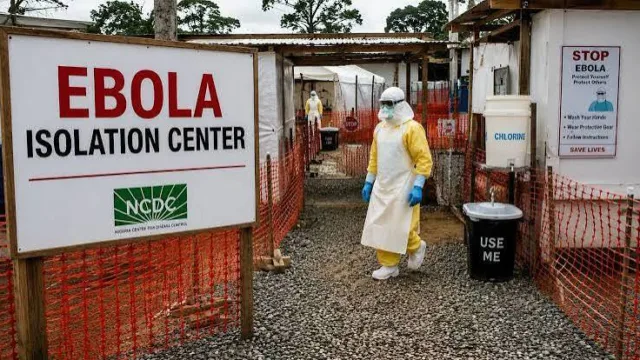
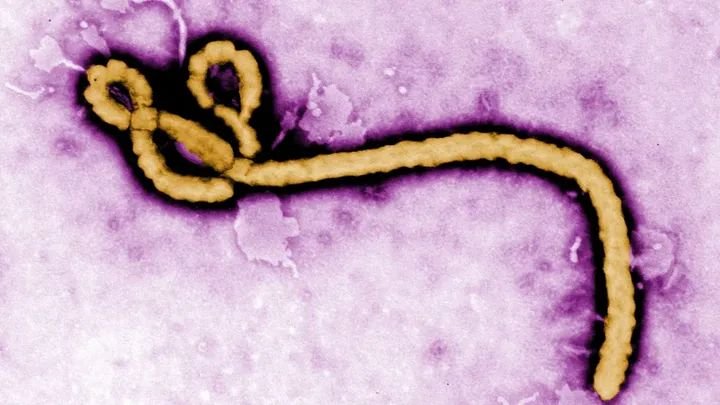
He also reaffirmed Nigeria’s commitment to regional cooperation and stronger disease surveillance amid concerns about infectious disease outbreaks, including the Bundibugyo strain of Ebola reported in parts of Africa.
According to the President, recent health emergencies have demonstrated that infectious diseases do not respect national borders, making coordinated preparedness and response essential.
However, Tinubu did not outline specific incentives or measures to encourage Nigerian health professionals abroad to return.
The success of the pledge will depend on whether recruitment and training initiatives are matched with better pay, improved working conditions, adequate medical equipment, sufficient staffing and clearer professional opportunities.
Without sustained improvements in these areas, efforts to stem the migration of Nigerian doctors and other health workers may struggle to deliver lasting results.




Join the conversation