
 Mirian Gom
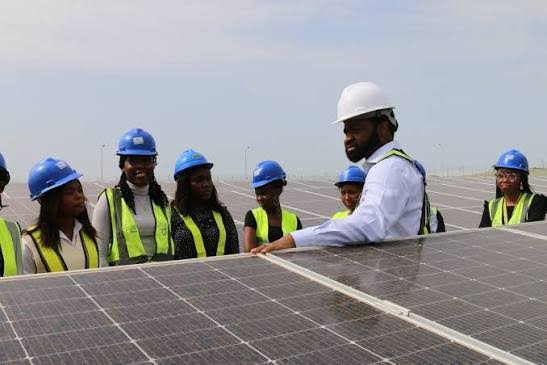
ABUJA, Nigeria – The United Nations has recognised Nigeria’s rural electrification programme as a model for expanding electricity access through targeted subsidies and private-sector investment.
The recognition features in the World Social Report 2026, published by the UN Department of Economic and Social Affairs. The report examines policies that promote economic transformation and social inclusion.
Citing earlier World Bank data, the report said Nigeria’s programme supported the development of 125 mini-grids and the sale of more than one million solar home systems. These interventions reportedly extended electricity access to over five million Nigerians and created more than 5,000 green jobs.
The UN described subsidies for rural mini-grids as a promising approach to making electricity more affordable for low-income households while attracting private investment to underserved communities.
It said decentralised renewable energy could help bridge electricity gaps in rural areas where conventional power infrastructure remains inadequate.
About the Author




 Korede Abdullah