
 Mirian Gom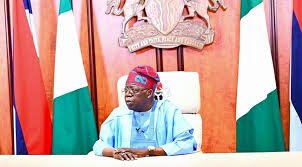
Nigeria President, Bola Tinubu
ABUJA, Nigeria – President Bola Tinubu has defended his administration’s economic reforms, comparing Nigeria’s pre-2023 economic condition to a cancer patient who must endure difficult treatment to have a chance of recovery.
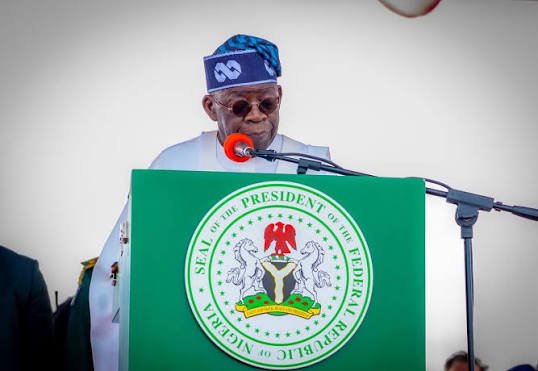
Tinubu made the comparison on Thursday in his 66th Independence Anniversary address to Nigerians, arguing that the removal of fuel subsidies and other economic reforms were necessary to address longstanding distortions in the economy.
“Nigeria was like a sick patient who receives the terrible news that he has cancer. His doctor explains that the treatment will be difficult and painful, but that it offers a strong prospect of recovery,” Tinubu said. “The patient has a choice. He can begin treatment, endure its discomfort and fight the disease. Or he can ask only for morphine, dull the pain and leave the cancer to spread.”
The president said his administration chose to pursue what he described as difficult reforms rather than postpone economic problems. “When this Administration assumed office, we resolved to do things differently. We chose to excise the cancer. The reforms that followed were difficult. The side effects were real,” he said.
Tinubu pointed specifically to the removal of the petrol subsidy and changes to the foreign exchange system as major reforms undertaken since he assumed office in May 2023.
He argued that the reforms did not create Nigeria’s economic weaknesses but were intended to address them. “Our reforms did not create the weaknesses in our economy. They confronted them,” he said.
The president also rejected calls to reverse the reforms, warning against what he described as efforts to return to the previous subsidy system. “We must resist their siren song. We must remember why we began this journey and how far we have already come,” he said.
Tinubu said the government’s economic priorities had now shifted from correcting the country’s economic course to achieving what he described as “shared and widespread prosperity”.
He also said Nigeria recorded more than $6 billion in non-oil export revenue in 2025, which he described as the country’s highest ever.
Tinubu acknowledged that millions of Nigerians continued to face difficulties paying for food, education, healthcare and transportation. “We cannot erase in four years what accumulated over generations. But we can change its course,” he said.
About the Author

 Hope Ajayi
 Korede Abdullah
 Oluwatobi Adu