Mirian Gom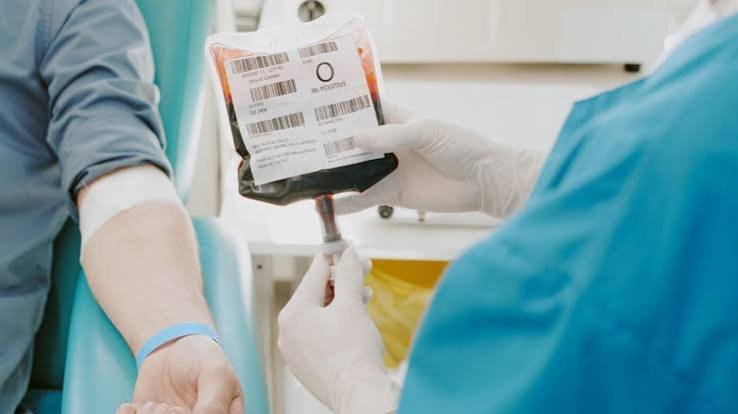
ABUJA, Nigeria – The Governing Body of Jehovah’s Witnesses has announced a change to its position on the four main components of blood, allowing individual members to decide whether to accept or donate red cells, white cells, plasma or platelets based on personal conscience.
The organisation announced the change on Friday, September 18, 2026, in a statement issued from its World Headquarters in Warwick, New York.
According to the organisation, “the decision to accept red cells, white cells, plasma or platelets from another person’s blood is a matter of personal conscience.”
It also said each Witness must personally decide whether to donate blood for the clearly expressed purpose of providing components or fractions for another person.
However, the organisation stressed that its position on whole-blood transfusions remains unchanged.
“The long-standing refusal of whole-blood transfusions on religious grounds, a core teaching based on the command to ‘abstain from blood’ (Acts 15:20), is unchanged,” the statement said.
The adjustment extends a principle the organisation had previously applied to blood fractions and the use of a person’s own blood during medical procedures. The organisation said the Bible does not specifically address decisions involving the four main blood components, making them matters of individual conscience.
Paul Gillies, an international spokesman for Jehovah’s Witnesses at the organisation’s World Headquarters, said the change did not alter the group’s religious view of blood.
“Blood remains sacred to Jehovah’s Witnesses, who continue to regard life and blood as precious gifts from God,” Gillies said.
“We recognise that medical decisions involving blood components are a matter of conscience between each Witness and their God, Jehovah.”
The organisation said Jehovah’s Witnesses continue to seek medical treatment and do not practise faith healing.
“Jehovah’s Witnesses love life and want the best available medical care,” the statement said, adding that members seek doctors who can provide effective treatment in accordance with their wishes, values and beliefs.
Gillies said local congregations would not interfere in decisions that the organisation considers matters of individual conscience.
“Congregations do not involve themselves in personal decisions that rest with the individual conscience. We will continue to respect and support the personal decisions of our fellow believers,” he said.
About the Author