Climate, Air Pollution Action Could Prevent 144m Premature Deaths by 2050 – Report
 Mirian Gom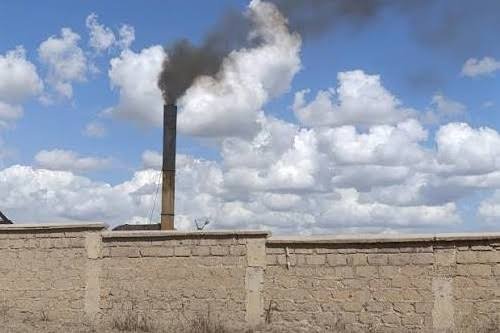
ABUJA, Nigeria – Coordinated action to reduce climate change and air pollution could prevent about 144 million premature deaths worldwide by 2050 while delivering trillions of dollars in economic benefits, according to a new report released by the United Nations Environment Programme (UNEP) and the Climate and Clean Air Coalition (CCAC).
The report, Hidden Assets: The Economic and Health Case for Climate and Clean Air Action, identified 25 proven interventions across the energy, transport, industry, agriculture, household cooking and waste sectors capable of delivering major health, economic and climate gains.
The recommended measures include expanding renewable energy, improving energy efficiency, promoting electric vehicles, reducing methane emissions, strengthening vehicle emission standards, adopting cleaner cooking technologies and improving waste management.
According to the report, implementing the interventions could prevent 96 million premature deaths linked to outdoor fine particulate pollution (PM2.5), 43 million deaths associated with household air pollution and five million deaths related to ozone exposure by 2050.
The health benefits extend beyond mortality.
The assessment projects the measures could prevent 62 million childhood asthma cases, 87 million heart attacks, 63 million cases of chronic obstructive pulmonary disease (COPD), 56 million diabetes cases, 45 million strokes, 36 million dementia cases and seven million lung cancer cases.
The findings come amid growing concern over air pollution.
The World Health Organisation estimates that about seven million people die prematurely every year from air pollution, while 99 per cent of the global population breathes air that exceeds recommended safety limits.
UNEP said Africa stands to benefit significantly from integrated climate and clean air policies, particularly through expanded access to clean cooking fuels, which could substantially reduce household air pollution.
The report estimates that every US$1 invested in the recommended interventions could generate about US$15 in economic returns through lower healthcare costs, higher productivity and reduced climate-related losses.
Climate gains would also be significant, with the measures projected to cut carbon dioxide emissions by half by 2050, reduce methane emissions by 60 per cent and lower emissions of black carbon and other harmful pollutants by 70 per cent.
The assessment warned that delaying implementation could cost the global economy more than US$1.5 trillion annually in lost benefits while exposing millions more people to preventable disease and premature death.
It urged governments to integrate climate and clean air policies into national development plans while strengthening institutions, financing and enforcement mechanisms to accelerate implementation.
About the Author


 Hope Ajayi
 Korede Abdullah