Nigeria, China Seal Major Cancer Deal as FG Targets Local Radiotherapy Production by 2030
 Mirian Gom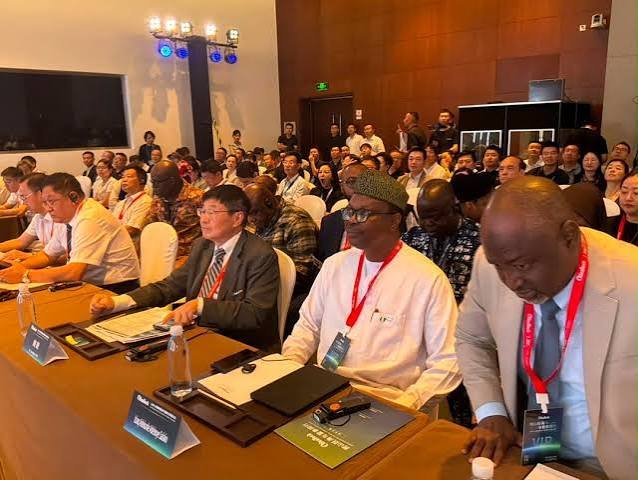
BEIJING, China – Nigeria has taken a major step towards transforming cancer care after deepening its partnership with China to expand radiotherapy services, strengthen oncology research, train specialists and begin local production of cancer treatment equipment by 2030.
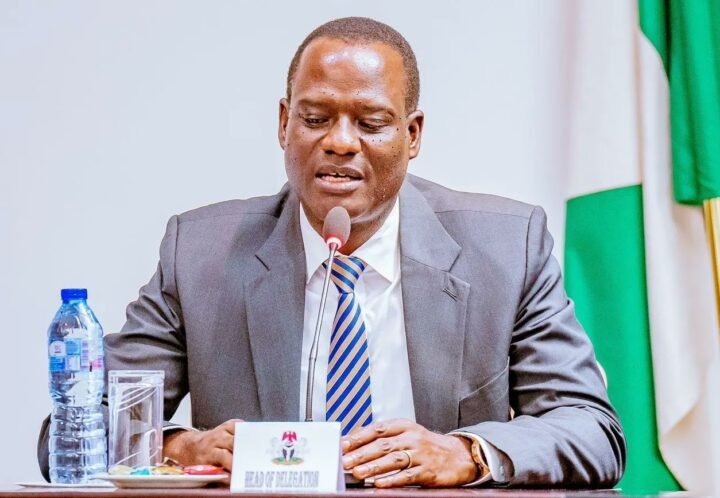
The Minister of State for Health and Social Welfare, Dr Iziaq Salako, announced the development while delivering the opening address at the LINK Global Summit on Innovation and Practice in Oncology held at the China National Convention Centre in Beijing.
According to a statement issued on Saturday by the Federal Ministry of Health and Social Welfare, Nigeria also signed a strategic cooperation agreement with LinaTech, a Chinese company specialising in advanced radiation therapy technologies.
Salako described cancer as a growing public health priority, revealing that Nigeria recorded an estimated 127,763 new cancer cases and 79,542 deaths in 2022, with breast, prostate and cervical cancers accounting for more than 40 per cent of cancer-related deaths.
Despite the burden, he noted that Nigeria’s mortality-to-incidence ratio improved from 62.3 per cent in 2022 to 59.6 per cent in 2024, reflecting progress in cancer control efforts.
He said the Federal Government had accelerated investments in cancer prevention, early detection, treatment, research, financing and infrastructure since May 2023.
Among the key interventions, Salako highlighted the introduction of the Human Papillomavirus (HPV) vaccine into routine immunisation, which has reached over 14 million girls aged nine to 14 years, alongside the implementation of the National Initiative for Cancer Early Detection, Screening and Coordinated Access to Network Care (NICE-SCAN).
The minister said the new partnership with China would focus on technology transfer, professional training, academic exchanges, joint research and expansion of radiotherapy services.
He explained that Nigeria was seeking more than equipment acquisition, stressing that the country wanted to develop the expertise needed to install, maintain and eventually manufacture cancer technologies locally.
“Machines without people are monuments,” Salako said, emphasising that sustainable cancer care depends on skilled personnel, maintenance systems and technical support.
He added that President Bola Tinubu had approved the procurement and installation of 35 additional linear accelerators between 2026 and 2028 to significantly improve access to radiotherapy services.
About the Author

 Oluwatobi Adu

 Hope Ajayi