
 Hope Ajayi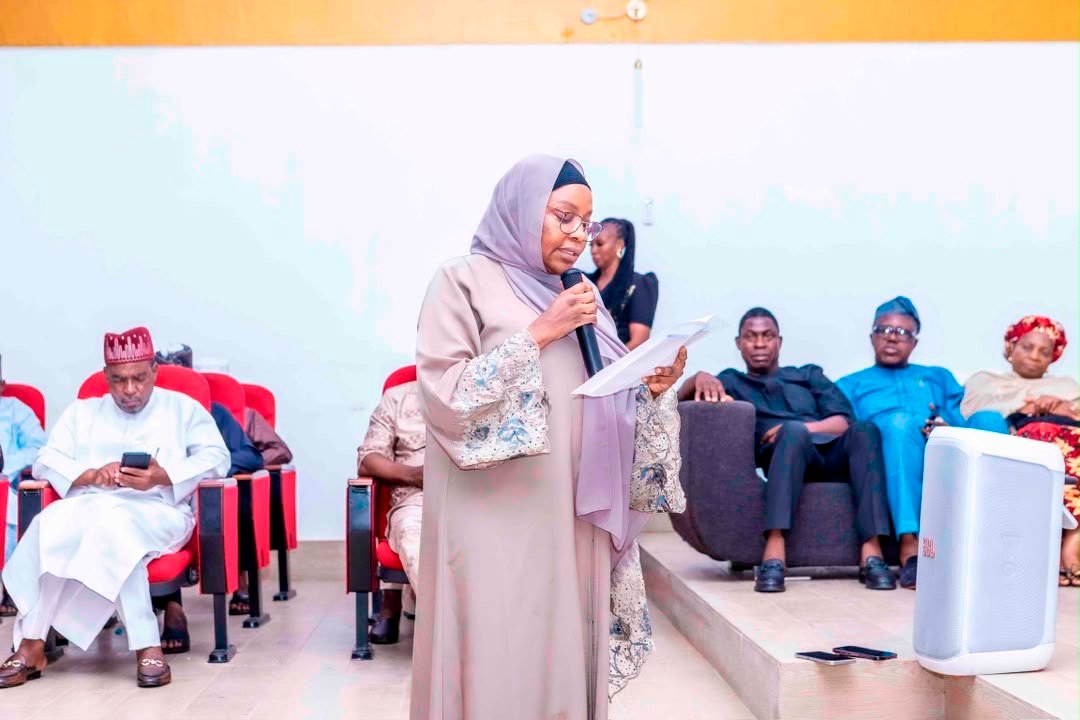
UBEC Executive Secretary, Aisha Garba
ABUJA, Nigeria – The Universal Basic Education Commission (UBEC) is urging Nigerian states to deploy technology and stronger accountability systems to tackle teacher absenteeism and improve learning outcomes in public schools.
UBEC Executive Secretary Aisha Garba makes the call in Asaba, Delta State, during the 30th Quarterly Meeting of UBEC Management with chairmen of State Universal Basic Education Boards (SUBEBs).
In a statement on Tuesday, Garba points to Delta State’s Attend360 platform, which tracks teachers’ attendance, as an example of how technology can help ensure teachers are present and actively engaged in classrooms.
“There is no education or quality learning without a good teacher or without a teacher in the classroom. You can build as many schools as you want, but as long as there is no teacher, and a good teacher, in the classroom, learning will not take place,” she says.
She warns that investment in school infrastructure cannot deliver quality education if teachers are absent or ineffective.
Garba also calls on Delta State to make effective use of available education funds and implement approved projects promptly.
She notes that the state has accessed its Universal Basic Education matching grant up to 2025 and encourages the government to fulfil the requirements needed to participate in the education component of the World Bank-supported HOPE Education Programme.
Delta State Deputy Governor Sir Monday Onyeme says the state remains committed to improving education.
He clarifies that Delta has about ₦1 billion in unutilised education funds, rather than the ₦8 billion previously mentioned. He also says about 90 per cent of the state’s 2025 Action Plan has been implemented and that the 2026 matching grant has been received.
“We will continue to improve and do our best to ensure that we give education to as many citizens as possible,” Onyeme says.
At a separate meeting with the Asagba of Asaba, HRM Prof. Epiphany Azinge, Garba calls for stronger cooperation between government, traditional institutions and education stakeholders.
Azinge describes basic education as the foundation of Nigeria’s future and stresses the importance of competent teachers.
“If you have quality teachers, you produce quality people,” he says.
About the Author

 Mirian Gom
 Korede Abdullah

 Oluwatobi Adu