
 Mirian Gom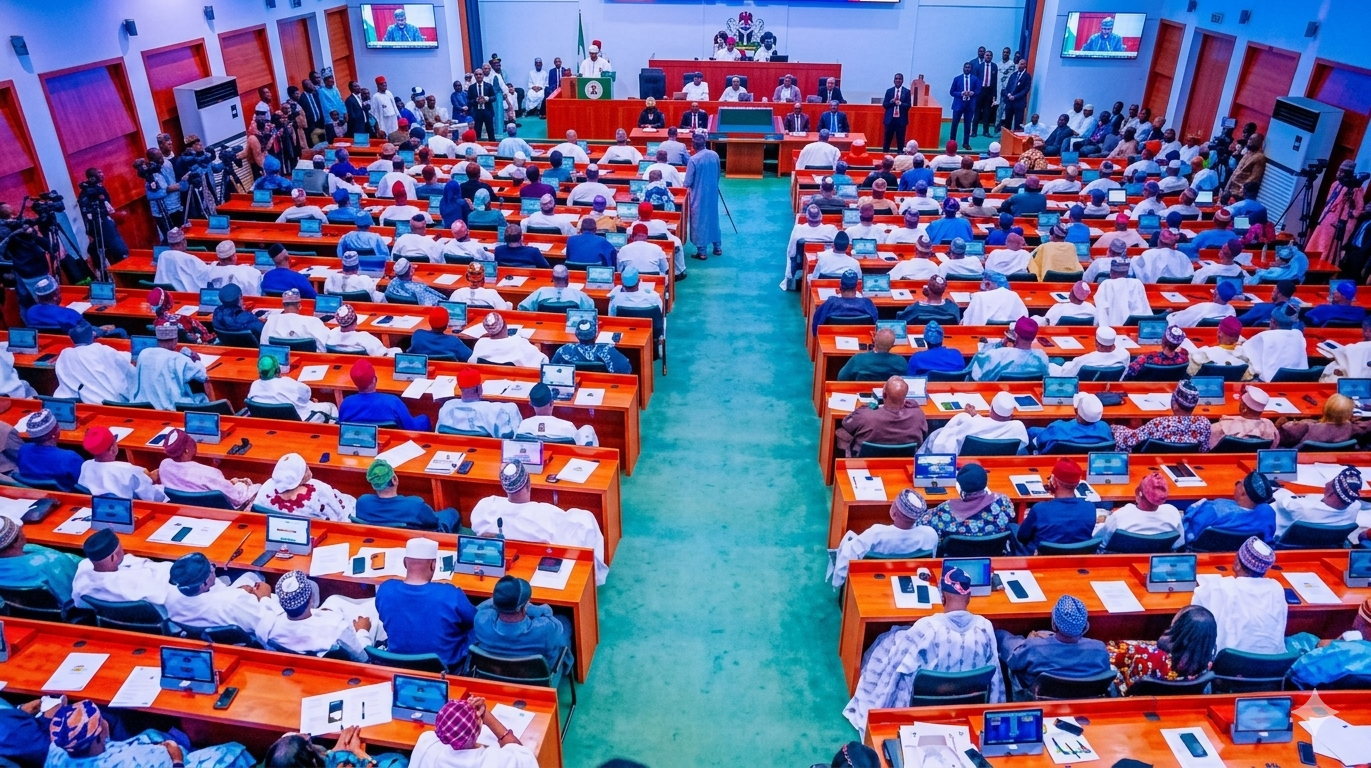
ABUJA, Nigeria – A bill seeking to establish the Nigeria Nutrition Council has passed second reading in the House of Representatives, paving the way for the creation of a regulatory body to oversee nutrition practice, curb quackery and strengthen the country’s response to malnutrition and food insecurity.
The proposed legislation, sponsored by Chike Okafor, aims to establish the Nutritionists Registration Council of Nigeria as the statutory body responsible for registering, licensing and regulating nutrition professionals nationwide.
Leading debate during Thursday’s plenary, Okafor described the bill as “a necessary legislative response to a ticking time bomb of malnutrition and food insecurity” threatening Nigeria’s public health and socio-economic development.
He said the legislation would protect the title “Nutritionist,” which is currently not recognised under Nigerian law, allowing unqualified practitioners to operate without regulation.
“The bill is the necessary legislative response to close that gap, protecting the public from unqualified practitioners,” Okafor said.
He explained that the proposed council would distinguish nutritionists from dietitians, dismissing concerns that the bill could conflict with the proposed Dietitians Council Bill.
According to him, dietitians primarily provide clinical nutrition services for patients with conditions such as diabetes, hypertension and kidney disease, while nutritionists focus on community nutrition, maternal and child health, nutrition education, food systems, research and policy implementation.
Okafor cited findings from the 2023/2024 National Demographic and Health Survey, saying Nigeria continues to record worsening child malnutrition, stunting and maternal anaemia despite significant government and donor investments, including the $232 million Accelerating Nutrition Results in Nigeria (ANRiN) Programme.
He argued that weak accountability and the absence of a professional regulatory framework have undermined nutrition interventions across the country.
The proposed council would maintain a national register of nutrition professionals, prescribe minimum educational standards, regulate licensing, enforce professional ethics and investigate allegations of misconduct.
Okafor said the council would also collaborate with the Federal Ministry of Health, state governments, the National Universities Commission and development partners to strengthen nutrition education, research and sustainable food systems.
He assured lawmakers that the regulatory body would be self-financing through internally generated revenue and would not place an additional burden on government finances.
About the Author


 Hope Ajayi


 Oluwatobi Adu