Oluwatobi Adu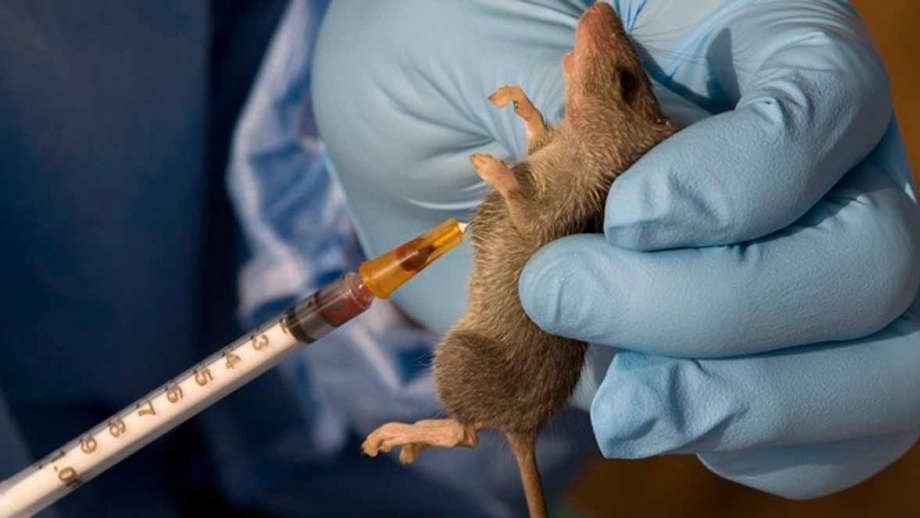
BAUCHI, Nigeria – Lassa fever vaccine development has received a major boost as Nigerian researchers launch a study to examine how survivors develop immunity, with the findings expected to accelerate the creation of a vaccine tailored to locally circulating virus strains.
The initiative is announced on Tuesday during a news conference in Bauchi, where researchers say the project brings together the International Research Centre of Excellence (IRCE), the Institute of Human Virology Nigeria (IHVN) and the Abubakar Tafawa Balewa University Teaching Hospital (ATBUTH).
The collaboration aims to move Nigeria beyond supportive treatment by developing preventive solutions for Lassa fever, which health experts say now occurs throughout the year.
Researchers will analyse blood samples from survivors to understand the immune responses that enable recovery while mapping the five major Lassa virus lineages circulating in Nigeria.
The findings are expected to support the development of a vaccine capable of protecting against locally prevalent strains.
“Lassa fever can only be managed at the moment, as there is no specific treatment. We want to study survivors and understand what made them survive,” says Executive Director of IRCE/IHVN, Professor Alash’le Abimiku.
She explains that while vaccines have been developed for animals, human vaccine development requires a better understanding of immune responses to ensure safety and effectiveness.
ATBUTH’s molecular laboratory and isolation centre will serve as major research hubs for the project while supporting surveillance of other infectious diseases.
Researchers say community engagement will form a critical part of the initiative through hygiene education and campaigns to reduce contact with rodents, which transmit the virus.
Health officials express confidence that the project will strengthen public health interventions, improve outbreak preparedness and contribute to long-term reductions in Lassa fever cases across Nigeria and neighbouring countries.
About the Author

 Korede Abdullah
 Mirian Gom
 Hope Ajayi