 Mirian Gom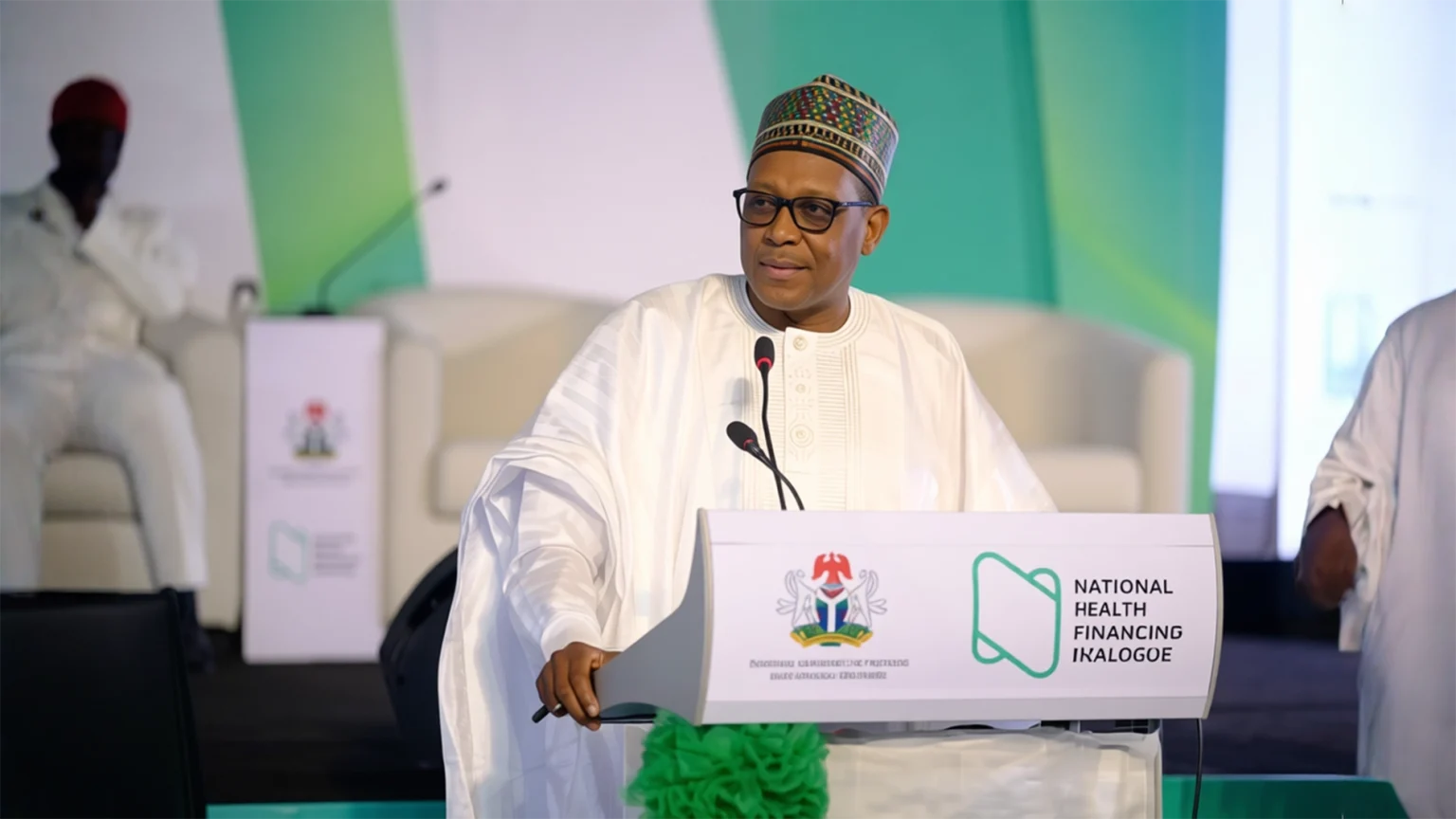
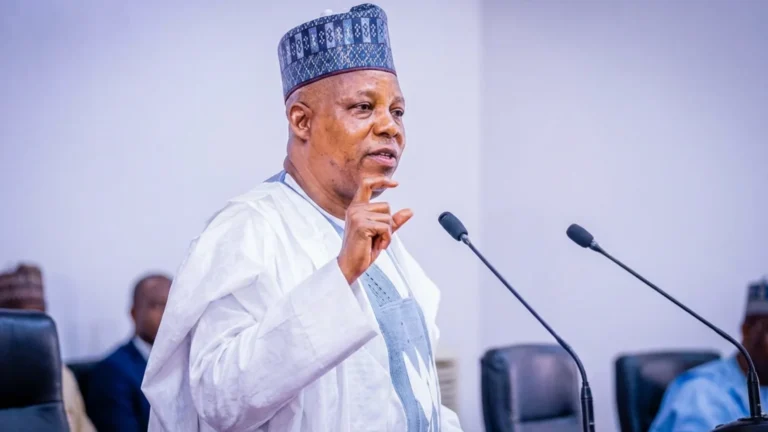
Minister of Health and Social Welfare, Professor Ali Pate
ABUJA, Nigeria – The Federal Government has heightened nationwide preparedness measures against the possible entry of the Bundibugyo Ebola Virus Disease (BEBOV), following outbreaks reported in parts of East and Central Africa.
The Ministry of Health and Social Welfare announced the activation of enhanced surveillance, border screening and emergency response protocols aimed at preventing cross-border transmission and safeguarding public health.
In a statement issued on Wednesday, the ministry reassured Nigerians that no confirmed Ebola case has been recorded in the country.
“There is presently no confirmed case of Ebola Virus Disease in Nigeria. However, heightened preparedness measures have been activated nationwide to strengthen national health security,” the ministry stated.
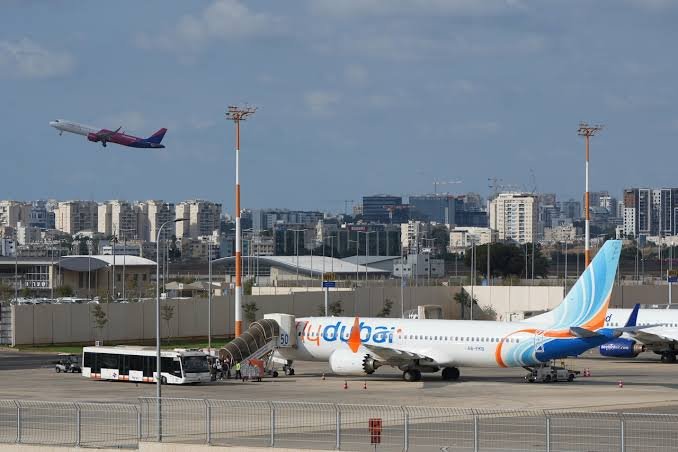
Authorities disclosed that strict screening procedures are now operational at airports, land borders and other points of entry. These include temperature checks, mandatory health declaration forms, travel history assessments and enhanced risk screening for arriving passengers.
The government also activated isolation and referral mechanisms for suspected cases while strengthening collaboration with border management agencies.
According to the ministry, disease surveillance has been intensified through the Integrated Disease Surveillance and Response (IDSR) system, alongside community-based monitoring and continuous risk assessments.
Laboratory readiness for viral haemorrhagic diseases has also been upgraded, while Public Health Emergency Operations Centres and Rapid Response Teams have been placed on standby nationwide.
Healthcare facilities have been directed to maintain a high level of vigilance, strengthen triage systems and promptly report suspected cases.
The ministry urged Nigerians to avoid misinformation, practise regular hand hygiene, report unusual illnesses promptly and avoid contact with dead animals or bushmeat from unknown sources.
Officials stressed that Nigeria remains prepared to respond swiftly to any potential outbreak, building on lessons from previous successful Ebola containment efforts.
About the Author


 Oluwatobi Adu
 Hope Ajayi