
WHA79 Adopts Ambitious Decade-Long Plan to Curb Antimicrobial Resistance Globally
 Oluwatobi Adu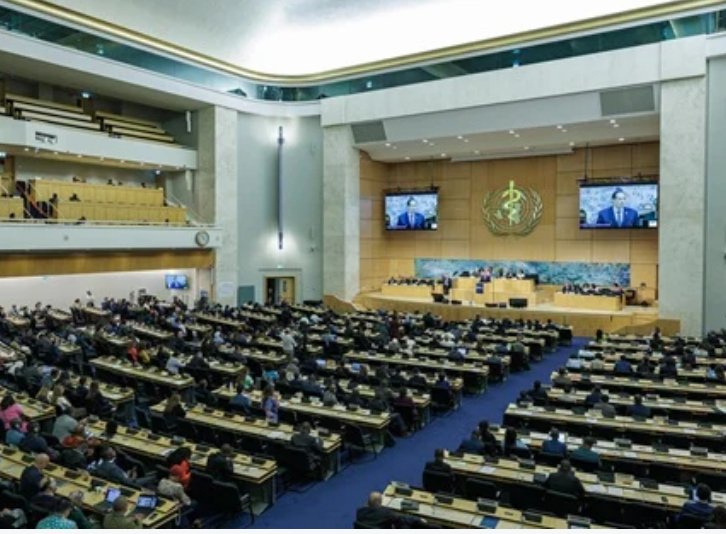
Delegates at the World Health Assembly adopting the new antimicrobial resistance strategy in Geneva
ABUJA, Nigeria – Member States at the Seventy-Ninth World Health Assembly adopt a new Global Action Plan on Antimicrobial Resistance (AMR) for 2026–2036, intensifying international efforts to tackle one of the world’s fastest-growing public health threats.
The updated strategy on Monday, during the Assembly in Geneva, establishes a coordinated roadmap to combat antimicrobial resistance across human, animal, plant and environmental health sectors under a One Health framework.
The plan delivers on commitments made during the 2024 United Nations General Assembly Political Declaration on antimicrobial resistance and is developed through consultations led by the Quadripartite organisations, including the World Health Organization, Food and Agriculture Organization, United Nations Environment Programme and World Organisation for Animal Health.
Health leaders warn that antimicrobial resistance continues to threaten healthcare systems, food security, agriculture and environmental sustainability globally. WHA79 Adopts Ambitious Decade-Long Plan to Curb Antimicrobial Resistance Globally
“The updated GAP AMR provides a comprehensive One Health framework to guide coordinated global, regional and national action over the next decade,” the update states.
Delegates at the Assembly strongly backed the revised framework’s focus on prevention measures, including infection prevention and control, improved water sanitation and hygiene, vaccination programmes, biosecurity and environmental protection.
The strategy also promotes responsible antimicrobial use, stronger surveillance systems, innovation and sustainable agrifood practices to slow the spread of drug-resistant infections.
Global health agencies say continued collaboration between governments, civil society, academia and the private sector remain critical to preserving the effectiveness of life-saving antimicrobials.
The Quadripartite organisations pledge continued support for countries implementing the updated framework through accountability mechanisms and sustainable financing initiatives.
About the Author

 Mirian Gom