
 Oluwatobi Adu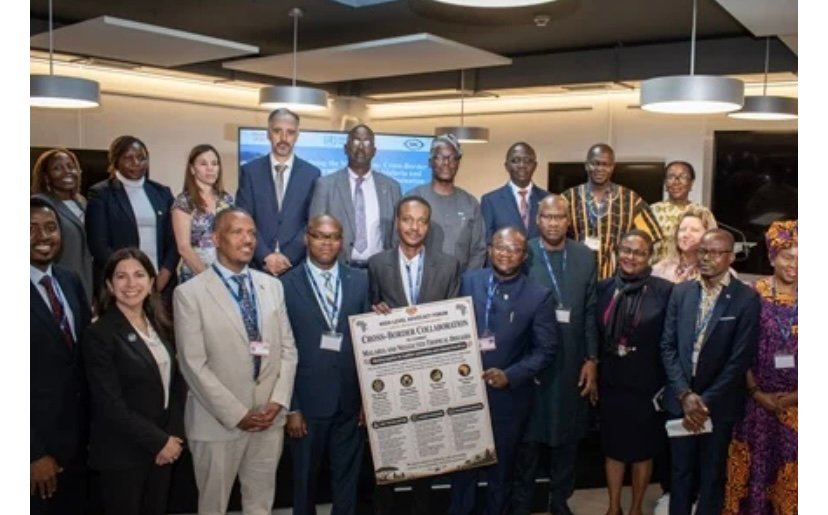
African health leaders and WHO officials discussing malaria and NTD elimination strategies
ABUJA, Nigeria – African countries and global health partners intensify efforts to eliminate malaria and neglected tropical diseases (NTDs) through a new cross-border cooperation framework targeting disease transmission across national boundaries.
In a statement on Monday, the World Health Organization, the renewed commitment emerged during a high-level meeting held on the sidelines of the Seventy-Ninth World Health Assembly on May 20.
Health ministers, donors and development partners discuss strategies to strengthen surveillance, information sharing and coordinated responses against malaria and NTDs in vulnerable border communities.
A key outcome of the meeting is the expansion of a Memorandum of Understanding on cross-border collaboration against NTDs to include malaria control.
WHO Director of Malaria and Neglected Tropical Diseases, Daniel Ngamije Madandi, says progress recorded over recent decades remains fragile.
“Today’s progress shows what is possible,” Madandi says.
“Since 2000, 2.3 billion malaria cases and 14 million deaths have been averted. These gains reflect strong national leadership and partnership, but they remain fragile as malaria and NTDs do not respect borders.”
The meeting highlights concerns over declining global health funding, climate change, drug resistance and weak healthcare systems threatening elimination targets set for 2030.
Ibrahima Sy says African countries must increase domestic investment and improve cross-border surveillance to protect vulnerable populations.
Health leaders say stronger regional partnerships and integrated healthcare services remain critical to accelerating malaria and NTD elimination efforts across Africa.
About the Author




 Hope Ajayi