
Africa ‘Not Ready’ for Next Deadly Outbreak – Virologist Tomori Warns
 Korede Abdullah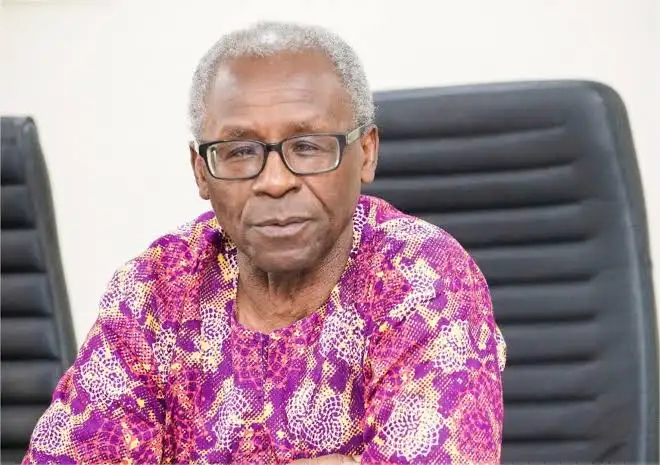
Virologist, Professor Oyewale Tomori
LAGOS, Nigeria – One of Africa’s leading virologists has warned that Nigeria and many countries across the continent remain dangerously unprepared to detect and contain future infectious disease outbreaks, including hantavirus.
In an exclusive interview with Africa Health Report, renowned virologist professor Oyewale Tomori said weak surveillance systems, underfunded laboratories and overreliance on foreign aid continue to undermine Africa’s epidemic response capacity.
Tomori explained that hantavirus is transmitted through exposure to particles from rodent urine and faeces and can trigger severe respiratory and kidney complications.
Although the virus has not been officially isolated in Nigeria, he said antibodies linked to related strains had already been detected — a sign the disease could be circulating undetected.
“The prodromal initial symptoms start like any other virus,” Tomori said, warning that severe infections could rapidly progress into fatal breathing complications.
“A lot of people could die from that,” he added.
The virologist criticised Nigeria’s disease detection system, pointing to persistent gaps in laboratory confirmation for illnesses such as Lassa fever.
“If you cannot prepare for what you’ve known for the last 60 years, how can you prepare for what you don’t know?” he asked.
Tomori also expressed concern about weak monitoring systems at airports, seaports and land borders, warning that climate change, flooding and deforestation are increasing human exposure to zoonotic diseases.
“Surveillance is like breathing. You have to continue to do surveillance to ensure that nothing new is coming in,” he said.
He urged African governments to invest in long-term laboratory infrastructure and retain trained scientists instead of depending heavily on donor-funded interventions.
“Africa’s preparedness is as good as the donation we receive,” he said.
“We have trained enough people for capacity. What we forget is capacity retention, which is the most significant aspect.”
About the Author


 Mirian Gom


 Oluwatobi Adu