
The Day the Pots Went Cold: Inside Nigeria’s School Feeding Breakdown After Years of Scandal and Silence
 Juliet Jacob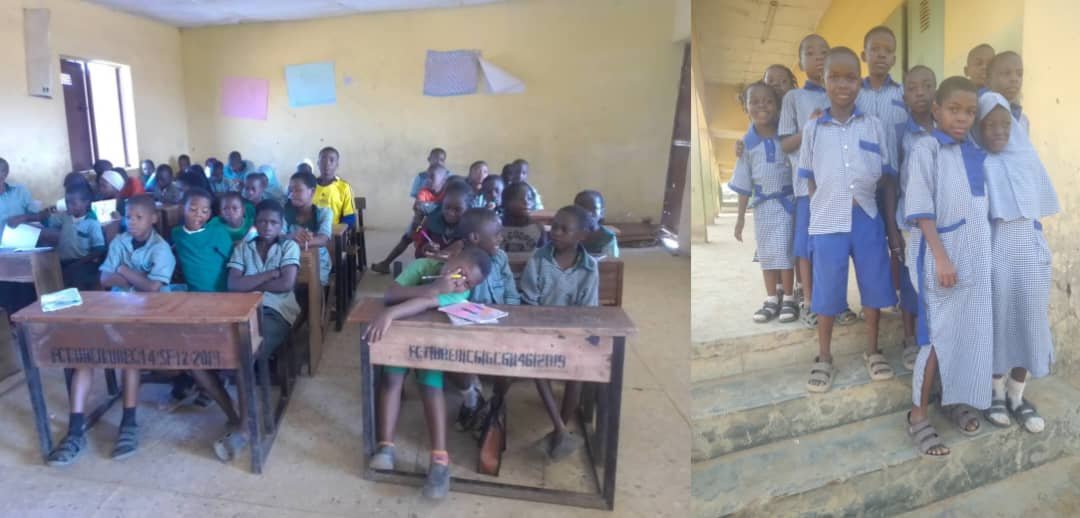
ABUJA, Nigeria – When the lunch bell rang at Ansarudeen Elementary School in Osogbo on a warm morning in May 2017, children sprinted into the courtyard with the sort of excitement only a hot meal could summon. Women in crisp aprons served steaming bowls of rice, bright stew, and bananas—an ordinary scene, yet one that signalled the rebirth of an ambitious social intervention designed to keep children fed, healthy, and in school. Eight years later, the pots in many of those same schools have gone cold. In this report, Juliet Jacob traces the rise, collapse, and uncertain future of Nigeria’s National Home-Grown School Feeding Programme (NHGSFP), revealing the human cost of stalled implementation, ministerial silence, and mounting hunger.
A Programme Once Filled with Promise
The revived NHGSFP under President Muhammadu Buhari was introduced as a simple but powerful idea: one nutritious meal every school day for pupils in primary 1–3. By 2017, its impact was visible. At Ansarudeen Elementary, attendance surged. Teachers reported sharper concentration. Parents found relief in knowing their children would eat at least once a day.
What began as a beacon of hope soon became a nationwide model, celebrated for supporting agriculture, creating jobs for cooks, and boosting enrollment—especially in underserved communities.
But optimism masked deeper structural cracks.
A Journey That Began Long Before Buhari
Nigeria’s school feeding ambition predates the Buhari administration. In 2005, President Olusegun Obasanjo launched the first iteration of the NHGSFP, but funding shortages crippled the programme by 2007. Buhari’s 2016 revival—integrated into the National Social Investment Programmes and overseen by Vice President Yemi Osinbajo—breathed new life into it.
Early pilot states including Osun, Anambra, and Kaduna recorded significant gains. Kaduna, for instance, saw classroom numbers jump by 400,000 in a single session.
This momentum built national confidence. The programme’s blueprint projected over 10 million beneficiaries and 1.14 million jobs for local caterers. Yet within a year, inflation, logistics challenges, and weak oversight began to unravel its stability.
Lofty Blueprint, Early Cracks
Food inflation quickly eroded the N70-per-child cost. Caterers struggled to maintain balanced meals. Some reduced portions: others cut out protein entirely.
“We need N100 per child,” vendors pleaded in 2017, warning that meals were becoming “rice without meat.”
Many states restricted the programme to primary 1–3, leaving older pupils watching their younger peers through classroom windows. “Nursery kids would stand by windows, wishing they could join,” one Osogbo head teacher recalled.
Despite federal allocations, caterers in multiple states reported receiving less than the approved amount after deductions by intermediaries. Eggs disappeared from menus. Meat became rare.
Headmistress Faloni Sola captured the scale of need: many parents sent their children to school “with aching bellies and no breakfast.”
A pupil, Sadiat, tried to explain what the meals meant to her. “I would want…” she began—her voice trailing into disappointment.
The cracks continued to widen.
Scandals, Suspensions, and Stopped Payments
By its peak, Buhari’s government was spending ₦12 billion monthly on the scheme. Yet corruption allegations—ghost beneficiaries, inflated figures, missing COVID-19 feeding funds—began to undermine public trust.
The programme’s transition under President Bola Tinubu brought even more turbulence. First repositioned under the Ministry of Humanitarian Affairs, then affected by the suspension of Minister Betta Edu over unrelated financial misconduct, the NHGSFP slipped into administrative limbo.
Although Tinubu promised a relaunch of the Renewed Hope version of the programme by late 2024, many states report that implementation has not resumed. Caterers say, “payments have not resumed,” even as food prices have tripled since the scheme’s initial rollout.
The Human Toll in Hard Numbers
The cost of inaction is borne by children. Fresh data from UNICEF and the WHO paint a stark picture: 11 million Nigerian children now live in severe food poverty, 32% are chronically stunted,
6.5 — 7% suffer wasting, and over 2 million are severely malnourished.
UNICEF warns that hunger increases a child’s likelihood of wasting by 50%. Northern conflict-affected states face the harshest realities, with empty school kitchens replacing what once functioned as safe, reliable feeding hubs.
Inside Schools Where the Pots Have Gone Silent
A visit to PW Primary School in Kubwa, Abuja, reveals the same story echoed in Dutse Macaranta, Osogbo, and parts of Kaduna: abandoned kitchens, restless pupils, declining attendance.
Headmistress Mrs. Gorretti confirmed: “The vendors just stopped coming—they said the government stopped paying them.”
For many families, school feeding was not an incentive but a lifeline.
Pupil Longji Joseph explained: “Some of my classmates don’t come because there’s no food at home.”
Another pupil, Goodness, added softly: “I stay home sometimes. I can’t learn when my stomach is empty.”
Hungry Children, Weak Bodies, Fading Attention
Hunger leaves its marks in classrooms.
Primary Three pupil Isaiah said: “I feel weak, my head hurts, and sometimes I sleep during lessons.”
He often arrives without breakfast. “My parents don’t always have money.”
His classmate Usmaila remembered better days: “It helped me pay attention and not feel dizzy. Now sometimes there is nothing at home.”
Teachers feel helpless. “You can’t flog hunger,” said Mrs. Chizeram, a teacher in Dutse Macaranta. “Children sleep in class, complain of pain, or leave early. Their performance has dropped sharply.”
What the Experts Are Saying
Nutrition specialists warn that the educational and health impacts of halting school feeding could be long-lasting. Dr. Aisha Bello, nutritionist: “Hunger steals potential. Children who miss meals experience impaired memory, fatigue, low blood glucose, and weakened immunity.”
Chronic undernutrition, she said, leads to “irreversible cognitive delays and lower academic achievement.”
Public health expert Dr. Okeke Ogenna Olive described the suspension as: “a public health crisis. When school feeding stops, hospitals fill up. These programmes are gateways to healthier futures.”
A National Crossroads for 20 million Children
What began as a promise to nourish the nation’s youngest citizens now hangs in uncertainty. Despite Tinubu’s budget commitments, the programme has not returned to schools nationwide.
Attendance is falling. Teachers quietly dip into personal funds to feed the weakest pupils. Children continue to slip through the cracks of hunger and missed learning.
As Dr. Okeke urged, “Reinstate, screen, and supplement—before more families unravel.”
For millions of schoolchildren, the hopeful bowls of 2017 are now a memory of what could be. Or what should have been.
One pupil’s plea echo across Nigeria’s classrooms: “Please bring back the food so children can stay in school.”
Nigeria now stands at a pivotal moment. Restoring the school feeding programme is no longer a question of administrative convenience but of national obligation. The data is clear, the human stories undeniable: hunger is dismantling the futures of millions of children. Policymakers must urgently release funds, publish transparent beneficiary records, and establish a monitoring system that protects every naira meant for a child’s plate. The longer the silence persists, the more classrooms will be empty. The time to act is now—before another generation learns on an empty stomach.
About the Author

 Otamere Gladness
 Koko Maxwella
 Edino Chubiyo Cornelius