 Korede Abdullah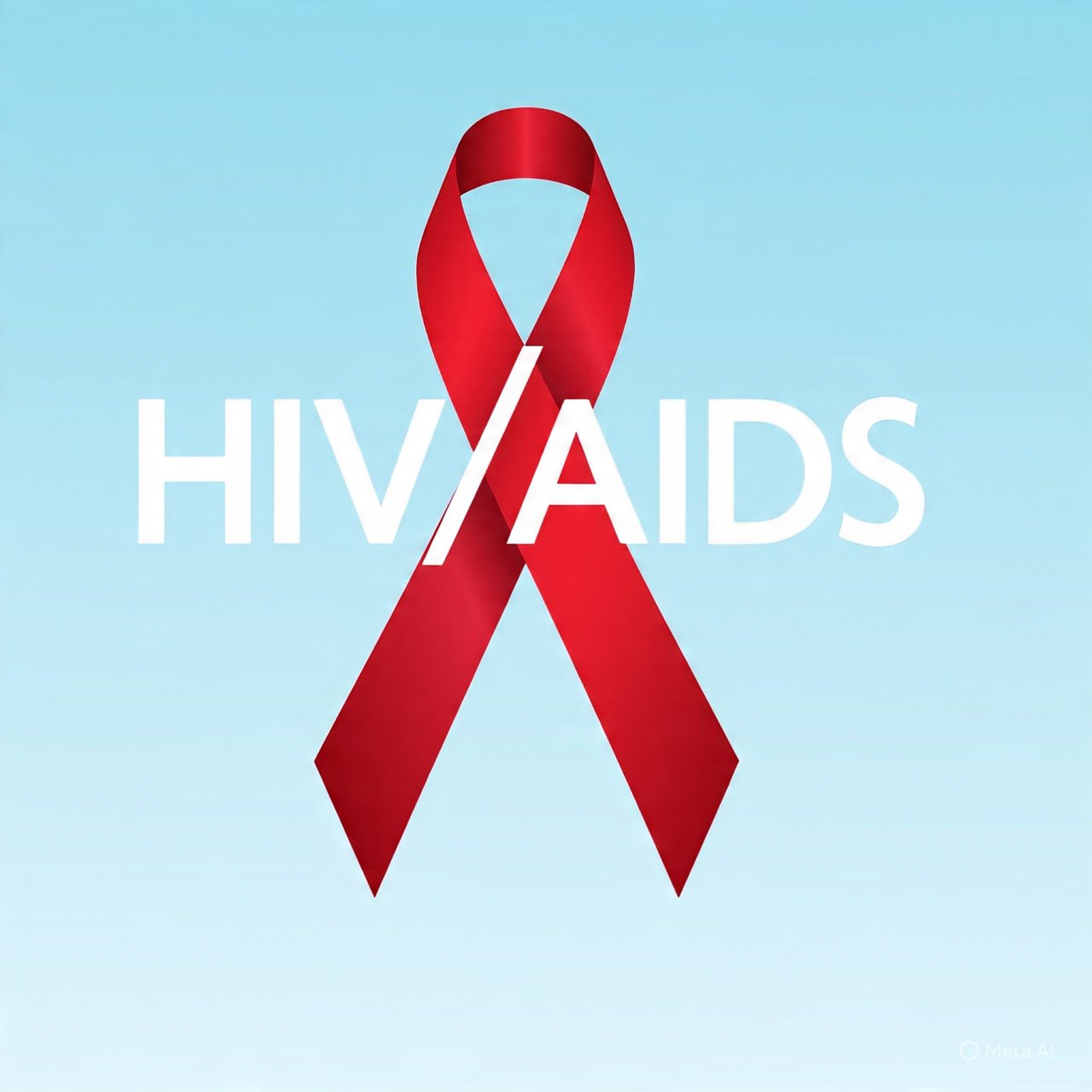
LAGOS, Nigeria – The emergency may no longer make headlines, but HIV remains one of Nigeria’s most urgent public health threats. With just five years left to end AIDS by 2030, the country is racing against time as new infections persist, donor funding shrinks and stigma continues to keep many people out of care. Despite major medical advances that have saved millions of lives, women and children still carry the heaviest burden, while fragile health systems and funding gaps threaten hard-won gains. In this report, Korede Abdullah examines Nigeria’s progress, exposes the gaps holding it back and explores what must change now if the country is to meet its most critical health deadline.
A Nation on the Clock
Sirens are no longer blaring, yet the danger is louder than ever. As Nigeria marked World AIDS Day 2025 under the theme “Overcoming Disruption, Transforming the AIDS Response,” the country stood at a critical crossroads—trapped between stunning medical progress and terrifying statistics that refuse to fade.
With over 1,400 new infections weekly and more than 50,000 AIDS-related deaths annually, the race to end AIDS by 2030 has become a battle against time, stigma, shrinking donor funds and fragile health systems. Women and children remain the hardest hit, making the epidemic not just a health issue but a national development emergency.
Lagos at the Epicentre
In a sobering revelation last week, the Lagos State Government disclosed that an estimated 160,000 residents are currently living with HIV. Presenting the figures at a World AIDS Day press briefing in Alausa, the Chief Executive Officer of the Lagos State AIDS Control Agency (LSACA), Dr Folakemi Animashaun, confirmed that 147,466 of them are on life-saving antiretroviral treatment.
“These figures reflect our January to September 2025 estimates,” she said, noting that while progress is evident, the sheer scale of the burden demands continuous action.
The Harsh National Reality
Nationally, Nigeria remains one of the global epicentres of the epidemic, with an estimated 1.8 to 2 million people living with HIV. According to the National Agency for the Control of AIDS, the country still records about 1,400 new infections weekly, while women account for the highest number of AIDS-related deaths.
Globally, the picture is no less grim—40.8 million people were living with HIV in 2024, with 630,000 deaths, and UNICEF reports that 200 children died daily from AIDS-related causes. These numbers expose the deadly cost of inaction.
The Science and the Silent Spread
HIV attacks the body’s immune system, destroying CD4 cells and leaving victims vulnerable to tuberculosis, meningitis, cancers and severe bacterial infections.
Transmission still occurs through unprotected sex, sharing of needles, and from mother to child during pregnancy, childbirth, or breastfeeding. Early symptoms often mimic malaria or the flu, allowing the virus to spread silently.
Yet experts agree that early testing and sustained treatment can suppress the virus to undetectable levels, allowing people to live long, healthy lives.
The Global 95-95-95 Test
The global war against HIV is anchored on the 95-95-95 targets—95% of people living with HIV should know their status, 95% of those diagnosed should be on treatment, and 95% of those on treatment should achieve viral suppression.
The World Health Organisation reports that by 2024, the world had reached 87-89-94. Nigeria, however, continues to struggle with testing gaps, treatment interruptions and weak rural access. WHO and UNICEF experts warn that unless Nigeria accelerates its response, the 2030 deadline could slip out of reach.
When Donor Funds Begin to Fade
For decades, Nigeria’s HIV response has leaned heavily on donor funding from PEPFAR and the Global Fund. But with international support shrinking, sustainable domestic financing has become a national emergency.
This reality pushed the Federal Government to strengthen the National Health Insurance Authority (NHIA) through the revised National Health Insurance Act of 2022, making health insurance mandatory and expanding benefit packages to include HIV, TB and family planning services.
SFH’s Bold Insurance Lifeline
In one of the most ambitious interventions yet, the Society for Family Health (SFH) announced plans to facilitate the enrolment of 1.9 million people living with HIV into the national health insurance scheme.
Its Managing Director, Dr Omokhudu Idogho, confirmed that the organisation is now supporting commodity supply, logistics, quality assurance and actuarial modelling for HIV, TB and family planning coverage.
“With diminishing donor funding, sustainable financing is no longer optional—it is essential,” he said, describing the partnership with NHIA as Nigeria’s strongest shield against future treatment collapse.
Taking Testing to the Streets
Beyond boardrooms and policy papers, the battle is being fought at the grassroots. LSACA’s Free HIV Testing and Counselling Services at the 2025 Lagos International Trade Fair drew over 700 participants who voluntarily checked their status.
Dr Animashaun called the turnout encouraging, saying: “This shows awareness is growing and people are taking responsibility for their health.”
Condoms and educational materials were also distributed, while participants like Mrs Adesola Ibrahim who spoke with Africa Health Report (AHR) praised the initiative for its accessibility and confidentiality.
Beyond Pills: Restoring Dignity
Treatment alone, experts insist, is not enough. More than 500 people living with HIV in Lagos recently benefitted from LSACA’s empowerment programme, receiving sewing machines, gas cookers, deep freezers, cash grants and vocational tools.
Addressing beneficiaries, Mr Kadiri Semiu Oluwasanu, Permanent Secretary, Office of the Chief of Staff, said economic stability is key to reducing vulnerability.
“Empowerment restores dignity and strengthens resilience,” Dr Animashaun added. “HIV support must go beyond medication—it must restore hope.”
The Road to 2030
Experts from the WHO, UNICEF, NHIA and civil society are unanimous that Nigeria’s final stretch toward ending AIDS must be driven by aggressive nationwide testing, total elimination of mother-to-child transmission, sustained treatment access, elimination of stigma, and iron-clad political commitment.
Yet, with donor funding shrinking and infection rates still stubbornly high, the battle has shifted from clinics to the streets—where ignorance, fear and misinformation continue to fuel silent spread.
In an exclusive interview with Africa Health Report, the Director-General of the National Orientation Agency (NOA), Dr. Tukur Adedeji Mustafa, said Nigeria can no longer afford half-measures. “Health interventions fail when public understanding fails,” he warned.
“We have redesigned our enlightenment strategy to penetrate motor parks, markets, schools, worship centres and digital spaces because HIV prevention must meet people where they live.”
Taking Message to the Streets
Dr. Mustafa revealed that in Lagos alone, the NOA has intensified efforts on sensitisation, community radio campaigns, youth-focused digital outreach and partnerships with traditional and religious leaders to dismantle stigma and misinformation that still keep many Nigerians away from testing and treatment.
“People still die not because medicine is unavailable, but because fear keeps them away,” he told AHR. “Our mission is to make knowing your HIV status as normal as checking your blood pressure.”
He stressed that the 2030 goal remains achievable if enlightenment is treated as a national emergency. “Ending AIDS is no longer just a medical target—it is a moral duty, a test of leadership and social responsibility.
History will not forgive silence, delay or denial,” Mustafa said, as the clock continues to tick relentlessly toward Nigeria’s decisive deadline.
About the Author

 Otamere Gladness
 Koko Maxwella
 Edino Chubiyo Cornelius