
Nigeria Pushes Digital Overhaul to Fix Environmental Impact Failures
 Oluwafunbi Bello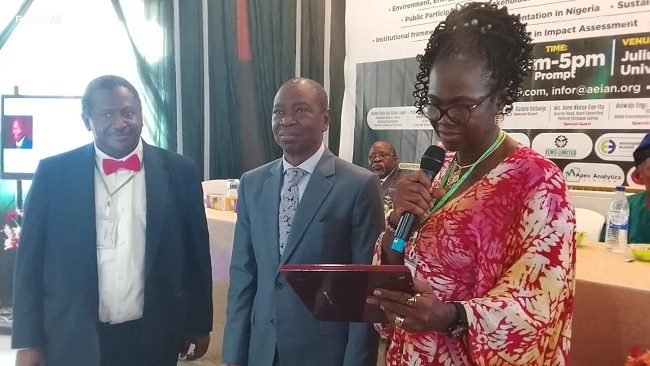
LAGOS, Nigeria – Nigeria’s top environmental experts are calling for an urgent digital transformation of the country’s outdated Environmental Impact Assessment (EIA) system, warning that rapid national development is outpacing the regulatory framework meant to protect fragile ecosystems.
Speaking at the ninth Annual Conference of the Association for Environmental Impact Assessment of Nigeria (AEIAN) on Wednesday, President, Dr Abbas Suleiman said Nigeria can no longer rely on “paper-based, fragmented and slow processes” as infrastructure, industrial and energy projects expand nationwide. “EIA approval should not be the end of the process. It is only the beginning,” he told delegates at the Lagos event themed Institutional Strengthening of Impact Assessment Policies and Regulations in Nigeria.
Suleiman said persistent regulatory overlaps, weak monitoring systems, insufficient climate-risk expertise and poor data integration are undermining environmental governance. “These institutional challenges are not failures but opportunities for reform,” he added, calling for a shift from procedural compliance to “real environmental outcomes.”
AEIAN is advocating a comprehensive digital platform that will centralise project registration, public disclosures, technical reviews, approval timelines and post-approval compliance monitoring. The platform, Suleiman said, will eliminate bureaucratic delays and improve transparency in project assessments.
He also stressed that modern EIAs must integrate climate change risks, biodiversity protection, public health considerations, gender and human-rights safeguards. The association further proposed using drones, satellite surveillance and stronger laboratory systems to enhance environmental monitoring across states.
The conference also inaugurated AEIAN’s Lifetime Achievement Awards, honouring pioneers including Prof. Oladapo Afolabi, Ms Anne Ene-Ita, Emeritus Prof. Babatunde Alo, Prof. Oladele Osibanjo and Asiwaju Anthony Ojeshina.
Suleiman urged regulators, academics, industry players and communities to “move from fragmentation to institutional strength” and ensure environmental safeguards remain central to Nigeria’s development agenda.
About the Author

 Otamere Gladness
 Koko Maxwella
 Edino Chubiyo Cornelius