 Mirian Gom
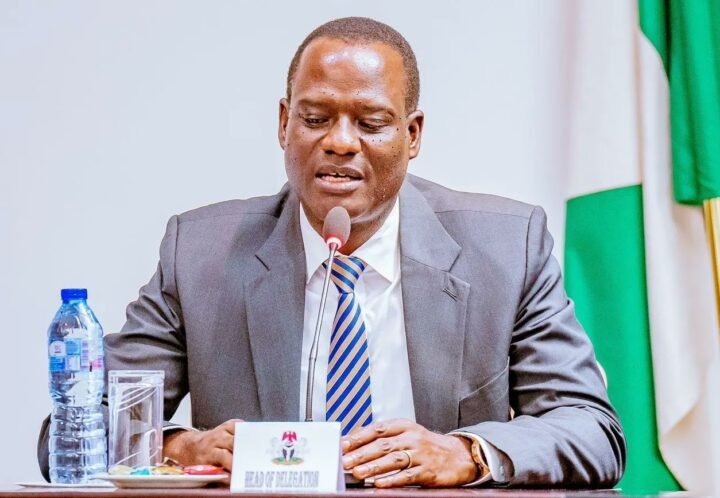
Minister of State for Health and Social Welfare, Dr Iziaq Adekunle Salako
ABUJA, Nigeria – The Federal Government has unveiled a Cancer Support Fund worth N50 million to help vulnerable patients overcome non-medical barriers that often prevent them from accessing or completing treatment.
Health officials say the initiative addresses the hidden costs of cancer care—including transportation, accommodation and feeding—that frequently derail treatment, particularly among low-income Nigerians.
Minister of State for Health and Social Welfare Iziaq Salako announced the fund on Wednesday during its official launch in Abuja.
According to the minister, more than 600 cancer patients have already applied for support, while over 200 applicants have been verified through a screening process involving medical directors and physicians.
Verified beneficiaries will receive at least N100,000 each.
“The Federal Ministry of Health and Social Welfare will provide fifty million naira as the government’s initial contribution to the Social Determinants of Health Fund for cancer patients,” Salako said.
The new Cancer Support Fund seeks to address social determinants of health—factors outside hospitals that significantly affect treatment outcomes.
Salako noted that despite investments in cancer infrastructure and treatment subsidies, many patients still struggle with indirect costs.
Transportation expenses, accommodation in cities with specialised facilities and food insecurity often lead to delayed treatment or poor adherence to therapy, he said.
The minister added that the initiative emerged from recommendations of the National Cancer Control Plan 2026–2030 Technical Working Group.
The fund complements existing interventions including the Cancer Health Fund, Cancer Access Partnership and the Vulnerable Group Fund.
Salako urged fund managers to ensure accountability and transparency.
“I would like to admonish the managers of the fund to ensure due diligence, transparency and accountability in its disbursement,” he said.
The government aims to reduce Nigeria’s cancer burden by 50 per cent by 2030 through expanded screening, treatment and patient support services.
About the Author

 Oluwatobi Adu

 Hope Ajayi