
 Korede Abdullah
LAGOS, Nigeria – On a narrow wooden walkway above the murky waters of Makoko, the air is thick with the smell of decay and desperation. Children play beside contaminated lagoon water, their laughter a fragile shield against the harsh reality surrounding them. On a visit to this waterfront community on Thursday, Africa Health Report witnessed the stark daily struggle of residents living without clean water, proper sanitation, or reliable healthcare.
Makoko, home to thousands mostly from the Ijaw ethnic group, is built on stilts over the Lagos Lagoon, while parts of the community sprawl onto overcrowded land shanties. The fragile wooden homes sway with every step, many barely protecting families from storms or flooding. Residents, weary from years of neglect, spoke about their lives but refused photographs, saying exposure has brought no lasting change.
Life on Stilts, Life at Risk
Timi, a local fisherman, gestured toward his house rising precariously above the water:
“We live here because we have nowhere else to go. The houses are not strong, and anytime there is heavy rain, we fear they can fall.”
Fishing and small-scale trading barely provide enough to feed families, pay for school, or cover medical bills.
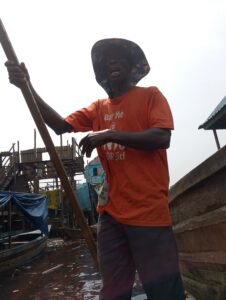
Movement through Makoko is hazardous. Boats are essential for reaching other parts of the community, but at night or in bad weather, travel can be deadly. Ekiyekumo Solomon, a boat operator who also guided our correspondent, explained:
“If somebody is seriously sick at night, it is very risky to move them. Some people lose their lives before they reach a hospital.”
Water and Health: A Daily Battle
Access to clean drinking water is almost nonexistent. Most residents rely on lagoon water or buy water from vendors at high prices. Open defecation in the water is common, fueling disease.
Mrs. Ebike, a mother of three, described the toll on children:
“Our children are always falling sick. We see malaria, typhoid, and sometimes cholera. We don’t have good water, and there are no proper toilets.”
Healthcare services are limited and often unaffordable. Emergency care requires navigating unstable walkways or paying for risky boat transport.
Education Under Strain
Schools are few, overcrowded, and poorly equipped. Many children leave early to support families through fishing or petty trade. Solomon lamented:
“Some children are bright, but poverty forces them to stop school. Many parents cannot pay school fees or buy books.”
Pollution and Economic Struggle
The lagoon, choked with plastic, human waste, and other debris, has decimated fish stocks, reducing the main source of income for many families.
Timi said:
“Fishing is not like before. The water is dirty, and the fish are reducing. This affects how we feed our families.”
Flooding during heavy rainfall destroys homes and property, while ongoing demolitions of houses, schools, and religious centres exacerbate displacement.
“They are removing houses and even schools. People are confused and worried because they don’t know where to go,” said one resident who asked not to be named.
Living Amid Neglect
With no electricity, proper roads, or drainage, residents move along ramshackle wooden walkways and boats, navigating hazards that endanger children and the elderly. Despite decades of neglect, the community clings to hope.
“We are human beings. We just want a better life for our children,” Mrs. Ebike said softly.
Makoko is not just a community; it is a testament to human resilience under extreme adversity, demanding urgent attention from authorities and civil society.
About the Author

 Otamere Gladness
 Koko Maxwella
 Edino Chubiyo Cornelius