
Locust Beans Boost Health as Experts Reveal Hidden Nutritional Power
 Oluwafunbi Bello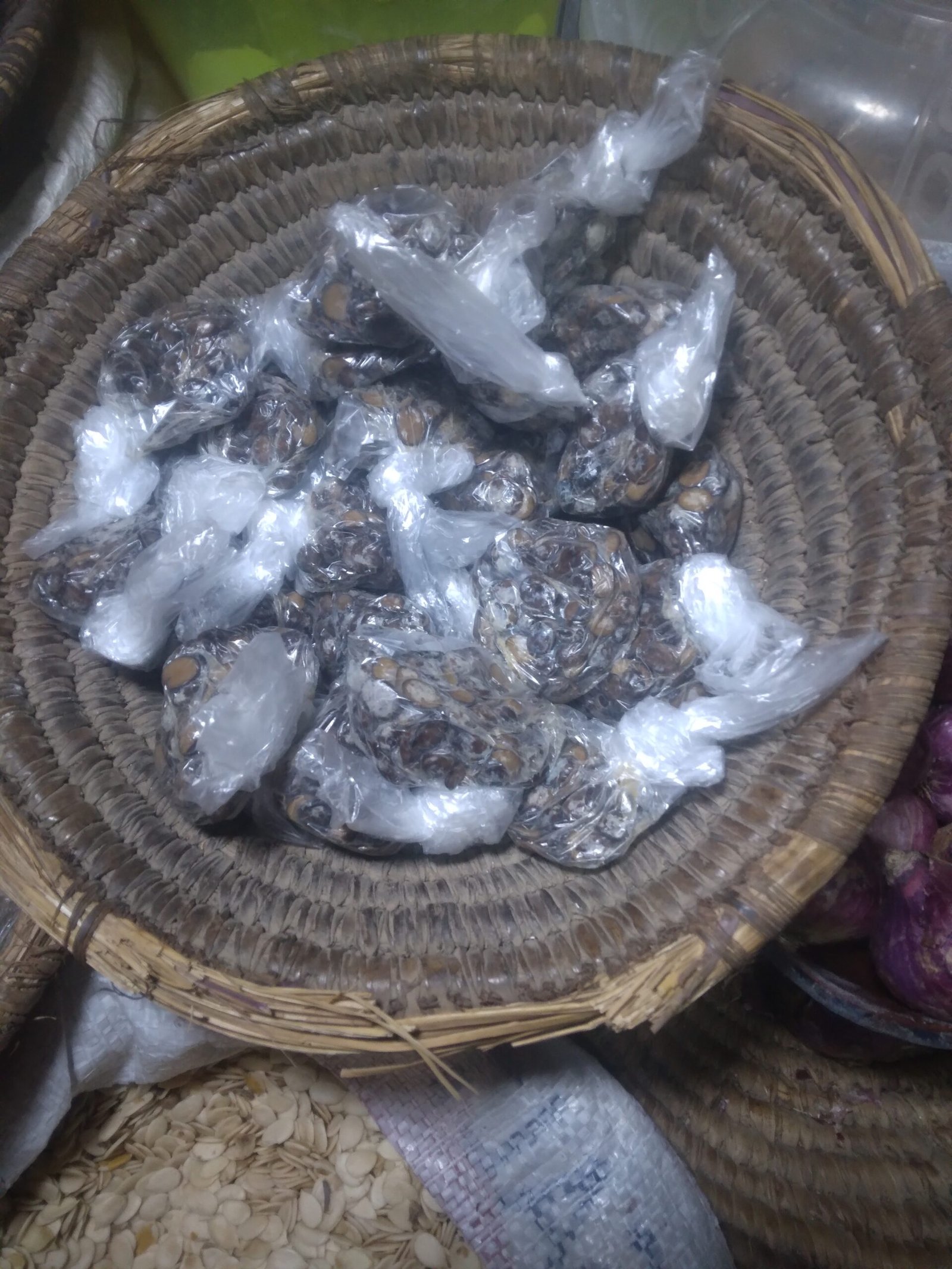
Fermented African locust beans used as traditional Nigerian seasoning with health benefits. (Photo credit: Oluwafunbi Bello/ AHR, 2026)
ABUJA, Nigeria – The African locust bean, locally known as Iru, Daddawa, Ogiri or Nune, is gaining renewed attention as health experts confirm that the traditional fermented seasoning offers significant nutritional and medical benefits beyond flavour enhancement.
Health practitioners say the age-old condiment, derived from Parkia biglobosa, provides a natural, affordable source of protein and essential nutrients, supporting claims long held by older generations across Nigeria and West Africa.
Speaking with Africa Health Report, Nurse Haruna Ibrahim explains that the widespread use of locust beans in traditional diets is scientifically justified. “Locust beans are rich in protein, dietary fibre and vital minerals such as iron, calcium and potassium,” he says. “They also contain B vitamins that support energy metabolism and nerve function.”
According to Ibrahim, the low-fat profile of the fermented seasoning makes it particularly beneficial for people managing weight, blood pressure and digestive health. “It supports muscle building, aids digestion and contributes to overall wellbeing when used regularly in meals,” he adds.
Across Nigerian communities, consumers echo these findings through lived experience. Sixty-eight-year-old Kehinde Joseph says she relies on locust beans as a healthier alternative to commercial seasoning cubes. “I avoid seasoning cubes because they raise my blood pressure,” she says. “I use iru instead. It gives taste and keeps my blood pressure in check.”
Joseph links her dietary choices to family history, recalling her mother’s longevity. “My mother lived for over 100 years, and she ate natural foods. Locust beans were always part of our meals,” she notes.
In kitchens across West Africa, the pungent, dark-brown paste remains a culinary staple, valued for its depth of flavour and cultural significance. Nutritionists now argue that replacing traditional seasonings with highly processed alternatives may deprive households of valuable nutrients.
Experts stress that while moderation remains essential, incorporating locust beans into daily cooking supports healthier eating patterns, especially in low-income settings where access to protein sources may be limited.
As Nigeria faces rising cases of diet-related illnesses, health advocates say rediscovering indigenous foods like locust beans could play a critical role in promoting preventive healthcare, preserving culinary heritage and improving long-term public health outcomes.
About the Author


 Otamere Gladness
 Koko Maxwella
 Edino Chubiyo Cornelius