
Lagos Cuts Malaria Misdiagnosis Dramatically with Data-Driven Reforms
 Korede Abdullah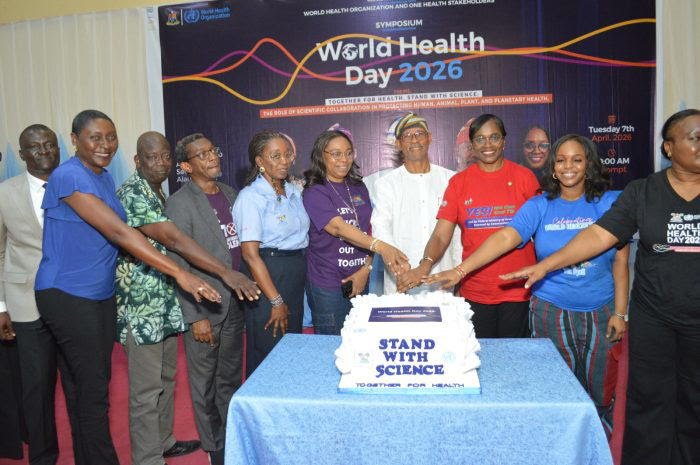
LAGOS, Nigeria – Lagos State reduces malaria misdiagnosis in public health facilities from 60 per cent to five per cent, signalling a major shift towards evidence-based healthcare delivery.
The breakthrough, announced at World Health Day 2026, follows the adoption of rapid diagnostic testing and data-driven reforms that challenge long-standing assumptions about fever treatment.
“We are building a system that is proactive, predictive and resilient,” says Akin Abayomi. “Most fevers are not malaria, and this is changing how we diagnose and treat patients.”
Health officials say the reform improves patient outcomes by reducing unnecessary malaria treatment and enabling accurate diagnosis of other illnesses. The state is also expanding digital health systems to strengthen disease tracking and clinical decision-making.
Special Adviser Kemi Ogunyemi calls for mandatory health insurance to accelerate universal coverage, while Permanent Secretary Dayo Lajide emphasises the One Health approach to disease control.
Omobolaji Gaji warns that environmental factors must not be ignored, citing their role in disease transmission. Meanwhile, Chinyere Okafor urges stronger investment in research and innovation.
Participants agree that tackling misinformation, strengthening partnerships and investing in science are key to building a resilient health system in Nigeria’s commercial hub.
About the Author

 Oluwatobi Adu

 Otamere Gladness