Group Marks International Women’s Day With Free Health Services in Lagos
 Korede Abdullah
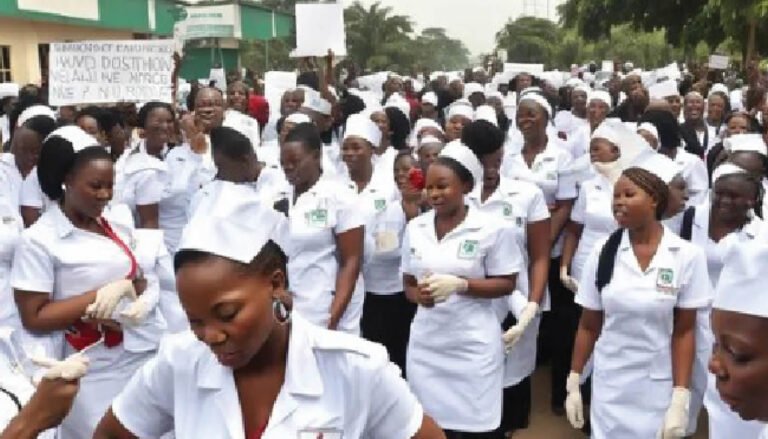
LAGOS, Nigeria – One of Nigeria’s rapidly growing insurance firms, emPLE, has announced a strategic partnership with the Lagos State Ministry of Health (LSMOH) and Bastion Health to commemorate International Women’s Day 2026 through a community-focused health outreach aimed at improving preventive healthcare for women and their children.
The initiative, tagged emPOWERHer Campaign, will be held tomorrow Saturday at the company’s headquarters on Akin Adesola Street, Victoria Island, Lagos.
The programme will bring together public and private sector partners to provide free medical screenings, vaccinations, and wellness activities designed to encourage proactive healthcare among women.
Under the collaboration, the Lagos State Ministry of Health will offer specialised medical services including cervical and breast cancer screenings as well as free Human Papillomavirus (HPV) vaccinations for girls aged 9–14.
Bastion Health will coordinate routine health checks such as blood pressure screening, blood sugar testing, and Body Mass Index (BMI) assessments.
Activities for the day will begin with an awareness walk from emPLE’s head office along Akin Adesola Street to Ozumba Mbadiwe and Muri Okunola Junction, before returning to the starting point.
Commenting on the initiative, Managing Director and Chief Executive Officer of emPLE General Insurance Limited, Olalekan Oyinlade, said the campaign highlights the need to take practical action in promoting women’s health.
“International Women’s Day is a powerful reminder that protecting women’s wellbeing requires practical action,” Oyinlade said.
“Through emPOWERHer and our partners in Lagos State and Bastion Health, we are helping remove barriers to early detection and prevention by bringing essential health services closer to the community.”
Also speaking, Acting Managing Director and CEO of emPLE Life Assurance Limited, Jolaolu Fakoya, said improved access to screening and credible health information plays a critical role in strengthening family health outcomes.
“When women have access to timely screening, routine checks, and credible health information, outcomes improve for families and future generations,” Fakoya said.
About the Author