


ABUJA, Nigeria – Nigeria’s main labour union, the Nigeria Labour Congress, has called on the federal government to introduce wage supplements and tax relief for workers, warning that rising petrol prices are pushing millions of Nigerians toward economic hardship.
Speaking in a statement on Sunday, NLC President Joe Ajaero says petrol prices have climbed to between ₦1,170 and ₦1,300 per litre, largely driven by tensions in the Middle East involving the United States, Israel and Iran, which have unsettled global oil markets.
Ajaero argues that Nigeria’s reliance on market-linked fuel pricing has left workers vulnerable to global shocks.
He notes that the Dangote Refinery, which officials often cite as a safeguard against international price volatility, has also adjusted prices in line with global market movements.
The union also criticises the continued inactivity of Nigeria’s state-owned refineries in Port Harcourt, Warri and Kaduna, accusing unnamed interests of undermining public facilities to strengthen private market dominance.
The NLC demands a clear timetable for restoring the refineries to full operation, describing it as a constitutional obligation.
Beyond refinery reforms, the union proposes several emergency measures, including Cost of Living Allowances for workers, expanded social cash transfers, and the removal of taxes on minimum-wage earners and informal workers.
Citing projections by the Nigeria Economic Summit Group, the NLC says Nigeria could earn about ₦30 trillion in additional oil revenue due to high global crude prices.
The union insists that such windfall earnings should be channelled into public welfare programmes.
“Nigerian workers are being pauperised and massively suffering. We are not a statistic; we are the engine of this nation,” Ajaero says.
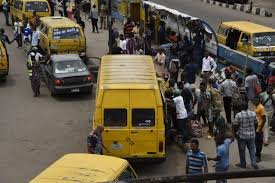
Labour leaders warn that rising fuel prices are already increasing the cost of food, transportation and essential services, placing intense pressure on household budgets nationwide.
The NLC urges the government to begin immediate dialogue with labour groups to prevent deeper economic hardship for workers.




Join the conversation