

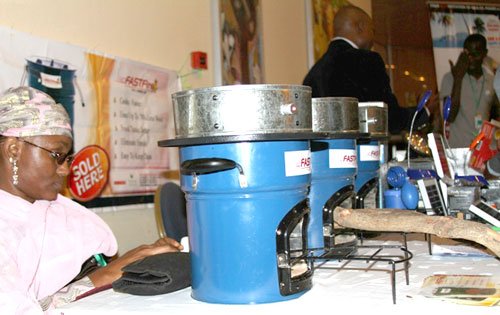
KADUNA, Nigeria – A Kaduna-based non-governmental organisation launches a clean cookstove initiative aimed at empowering women while reducing deforestation and indoor air pollution across vulnerable communities in northern Nigeria.
The Bridge That Gap Hope for Africa Initiative (BTG) announces that distribution of energy-efficient cookstoves will begin on 11 March in Chikun, Zaria and Zango Kataf Local Government Areas.
Speaking on Sunday, the organisation’s Executive Director, Gloria Bulus, says the project connects women’s economic empowerment with climate action.
“Women and girls in many underserved communities shoulder the burden of sourcing firewood and managing household energy needs,” Bulus says.
“This intervention provides safer cooking technology while enabling improved health outcomes and more time for productive activities.”
The cookstoves are designed to reduce charcoal consumption by more than half, lowering household energy costs and limiting pressure on forest resources.
The initiative forms part of BTG’s Women Empowerment and Climate Resilient Initiative, implemented under its Partnership for Agile Governance and Climate Engagement Programme.
According to Bulus, the intervention aligns with International Women’s Day 2026, themed “Give to Gain,” which highlights the social and economic benefits of investing in women.
Open-fire cooking using firewood and charcoal remains a major contributor to indoor air pollution in sub-Saharan Africa, exposing millions of women and children to harmful smoke daily.
BTG says the cleaner-burning stoves will significantly reduce these health risks while supporting climate resilience efforts in regions already affected by desertification and deforestation.
Beyond health benefits, the programme aims to reduce reliance on wood-based fuels, which contribute to environmental degradation in the Sahel region.
The organisation also calls on government institutions, private companies and development partners to expand investments in gender-responsive climate solutions.
“Supporting women with climate-smart technologies is one of the most effective pathways to sustainable community development,” Bulus says.
International Women’s Day, celebrated globally on 8 March, marks 115 years of advocacy for gender equality in 2026.





Join the conversation