Oluwatobi Adu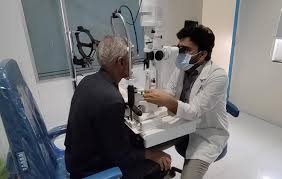
Geneva – Millions of people worldwide remain unnecessarily blind as access to simple, sight-restoring cataract surgery continues to lag behind demand, the World Health Organization (WHO) warns.
In a statement released on Wednesday, WHO cites a new study published in The Lancet Global Health, revealing that nearly half of people living with cataract-related blindness still lack access to surgery, despite decades of progress in eye care.
Cataract, which clouds the eye’s lens and causes blurred vision, affects more than 94 million people globally and remains one of the leading causes of avoidable blindness. Yet the corrective surgery typically takes about 15 minutes and is considered among the most cost-effective medical interventions.
The study shows global cataract surgery coverage has increased by roughly 15 per cent over the past 20 years, with projections indicating an additional 8.4 per cent rise this decade. However, WHO cautions that this falls far short of the World Health Assembly target of a 30 per cent increase by 2030.
“Cataract surgery is one of the most powerful tools we have to restore vision and transform lives,” says Devora Kestel, Acting Director of WHO’s Department of Noncommunicable Diseases and Mental Health. “When people regain their sight, they regain independence, dignity and opportunity.”
Data from 68 countries for 2023 and 2024 show the African region carries the heaviest burden, with three in four people needing surgery remaining untreated. Women are disproportionately affected in every region, facing lower access to care due to cost, workforce shortages, long waiting times and limited awareness.
WHO urges governments and partners to integrate vision screening into primary healthcare, expand surgical infrastructure and prioritise women and underserved populations to end avoidable blindness.
About the Author


 Mirian Gom
 Hope Ajayi
 Korede Abdullah