Listening Before Speaking: What Nigeria’s Youth Taught Me Through the 1.8bn Campaign
 Guest Author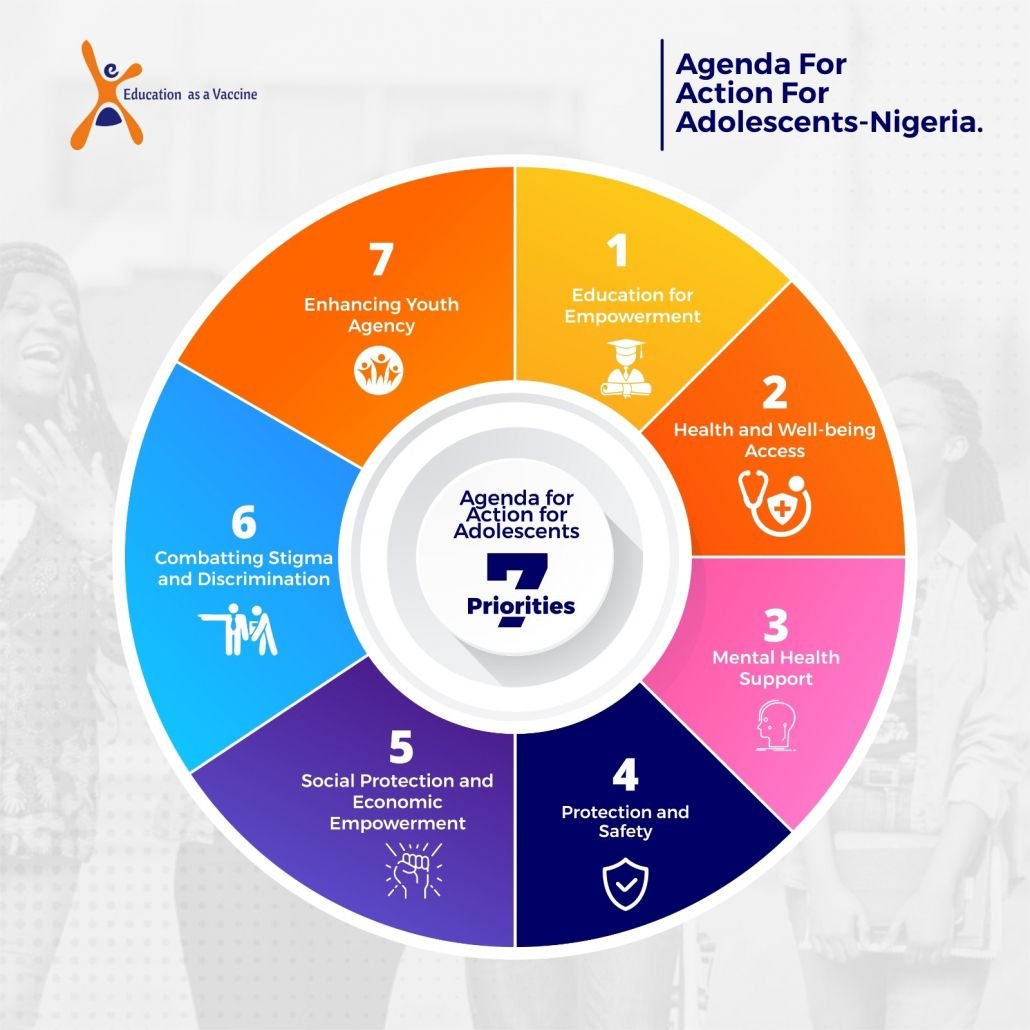
The Agenda For Action For Adolescent - Nigeria framework reflects priorities identified by young people across the country
In 2023, I began a journey that changed how I understood my country and its young people. I joined the global 1.8 billion Campaign, which works across more than 80 countries to advance the rights and wellbeing of adolescents and young people. My task was simple but powerful: to listen.
Listening to Young People in Ekiti State
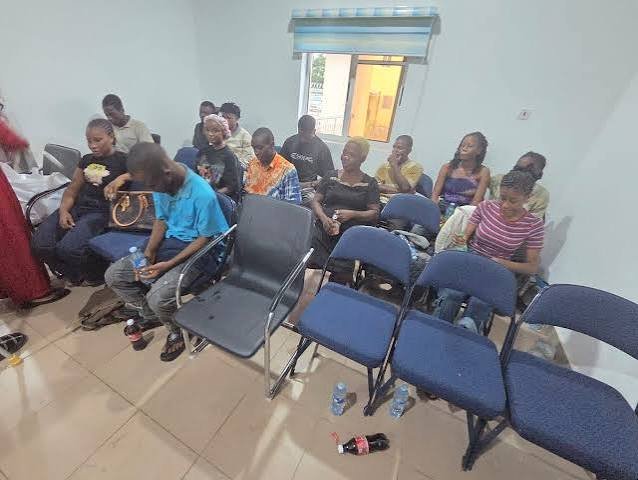
In Ekiti State, in south-west Nigeria, I spent months engaging with young people from different backgrounds. I gathered their stories, concerns and aspirations. These conversations later shaped the Agenda for Action for Adolescents (AAA) — a framework designed to reflect what young people believe they need to thrive.
What I encountered was both sobering and inspiring
I spoke with schoolchildren eager to learn but constrained by overcrowded classrooms and a shortage of trained teachers. I met market women whose children split their time between schoolwork and roadside stalls, yet still spoke confidently about becoming doctors, engineers and entrepreneurs.
I also visited informal gathering spots where young people, often dismissed as idle, shared thoughtful ideas about opportunity, dignity and inclusion — if only someone would listen.
And I listened.
What Nigerian Youth Say They Need
Across these conversations, one theme stood out: access.
Many young people spoke about the lack of quality education and healthcare. Some described leaving school because their families could no longer afford fees. Others pointed to the absence of scholarships or social support.
In a digital world, many had never used a computer. Some had never seen one. Online learning, which could open doors, remained out of reach.
Why Cultural Sensitivity Matters
One experience left a lasting impression.
During discussions on sexual and reproductive health, many Islamic adolescents remained silent. Their reluctance was not rooted in ignorance or indifference. It stemmed from fear — fear of stigma, judgement and cultural backlash.
This highlighted a critical lesson. Advocacy that ignores cultural context risks excluding the very people it aims to support. Safe, respectful spaces for learning and dialogue are not optional. They are essential.
Skills, Not Just Promises
Beyond education and health, young people consistently asked for practical skills.
They wanted training linked to real jobs, not just theory. Skills that could help them earn a living, support their families and regain a sense of purpose. For many, dignity was closely tied to the ability to work and contribute.
Hope Amid Hardship
Despite stories of poverty, underinvestment and broken systems, what stayed with me most was hope.
There was laughter among children sharing a single pencil. Determination in the voice of a teenage girl who dreamed of becoming a doctor, despite owning no textbooks. Joy in the energy of boys playing football on dusty fields, imagining better futures.
Turning Voices into Action
This is what the 1.8 billion Campaign taught me: advocacy is not only about speaking. It begins with listening.
It means amplifying unheard voices and bridging the gap between lived experience and policy decisions. It means pushing for change that reaches classrooms, clinics and communities — not just policy documents.
As Nigeria moves towards implementing the Agenda for Action for Adolescents, I carry with me the voices of the young people I met. Their struggles. Their ideas. Their hopes.
This is not simply a fight for better policies. It is a fight for dignity, opportunity and the belief that every young person deserves to be seen, heard and supported.
|Sponsored Opinion
About the author:
Nenge-nen Raphael Nongo is a Nigerian youth health and rights advocate who works with adolescents on education, wellbeing and inclusion initiatives. He has participated in advocacy engagements supported by PMNCH and global youth development partners.
Disclaimer:
The views and opinions expressed in this article are solely those of the author and do not necessarily reflect the views of Africa Health Report (AHR).
About the Author

 Korede Abdullah

 Mirian Gom