


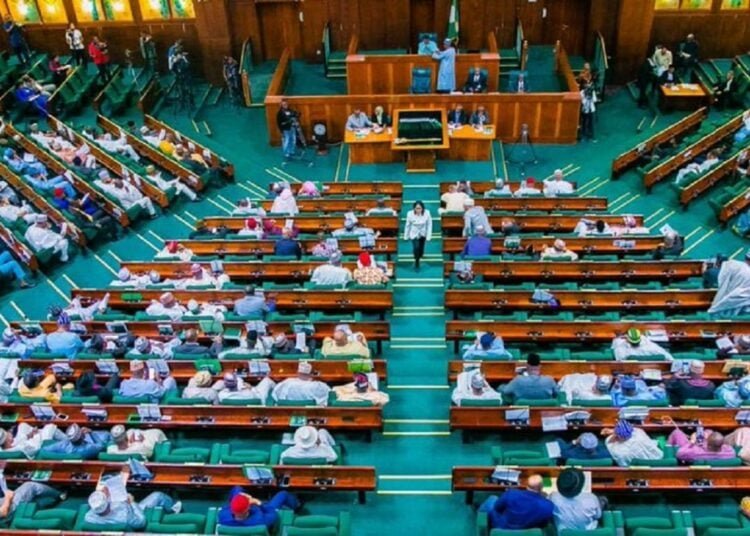
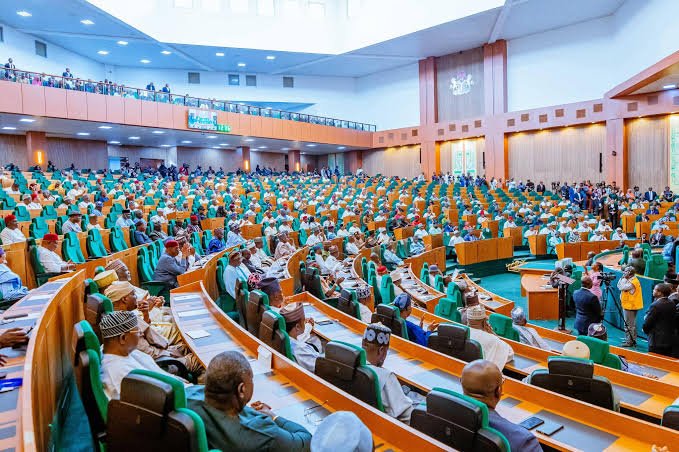
ABUJA, Nigeria – Nigeria’s National Assembly orders the re-gazetting of the country’s newly enacted tax laws and directs the issuance of Certified True Copies amid allegations that official versions in circulation differ from those passed by lawmakers.
The decision is disclosed on Friday in a statement by the House of Representatives spokesperson, Akin Rotimi, following growing public concern over possible alterations to the Acts after parliamentary approval.
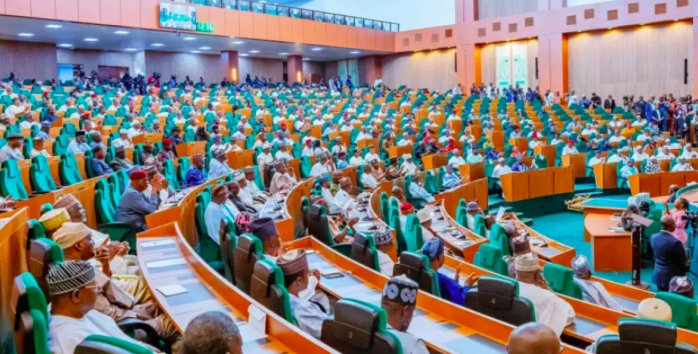
The controversy emerged two weeks ago when Abdussamad Dasuki, a lawmaker from Sokoto State, raised the issue during plenary, warning that versions of the tax reform laws circulating at the Federal Ministry of Information and National Orientation materially differ from those passed by both chambers of the National Assembly.
Dasuki cautions that any unauthorised alterations pose serious constitutional and legal risks and could undermine Nigeria’s democratic order.
In response, the Speaker of the House, Tajudeen Abbas, constitutes a seven-member ad hoc committee chaired by Muktar Betara (APC, Borno) to investigate the allegations and report its findings for further legislative action.
Rotimi says the leadership of the National Assembly acts decisively to protect the integrity of the legislative process and public interest. “Recent public commentary has focused on the passage, presidential assent, and publication of the Nigeria Tax Act, 2025; the Nigeria Tax Administration Act, 2025; the Joint Revenue Board of Nigeria Act, 2025; and the Nigeria Revenue Service Act, 2025,” the statement says.
According to the House, the review examines harmonisation procedures, documentation transmitted for presidential assent, and the versions published in the Official Gazette.
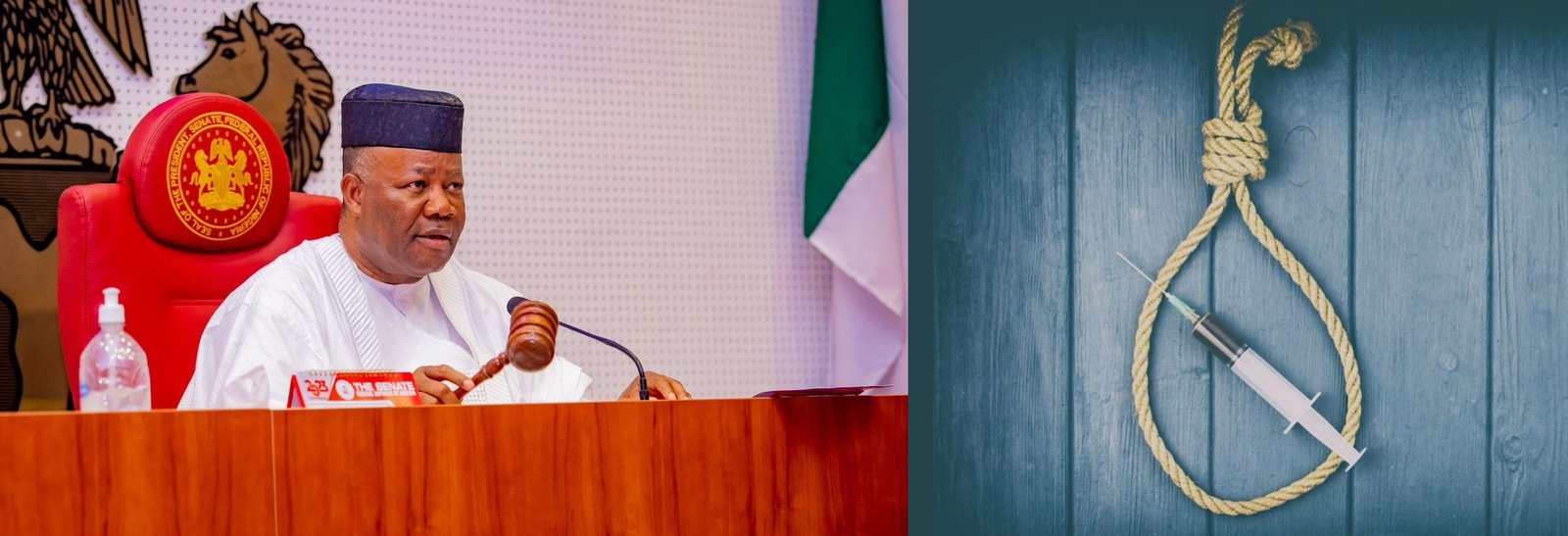
As part of the process, Senate President Godswill Akpabio and Speaker Abbas jointly direct the Clerk of the National Assembly to re-gazette the Acts and issue Certified True Copies strictly reflecting the versions passed by both chambers.
The House stresses that the review does not concede any legislative defect but seeks to preserve constitutional order, transparency, and the integrity of Nigeria’s lawmaking process.




Join the conversation