Oluwafunbi Bello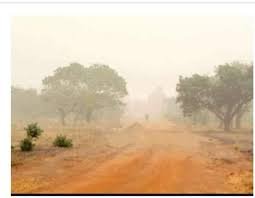
BAUCHI, Nigeria – A veterinarian in Bauchi State warns that the ongoing harmattan season increases the risk of zoonotic diseases, as dry and dusty conditions aid the spread of infections from animals to humans.
Dr Abdulkadir Baba issued the warning on Monday during an interview, saying the seasonal weather encourages rodents and stray animals to migrate closer to human settlements. “The dry, dusty harmattan environment favours the transmission of diseases from animals to humans,” Baba says.
He explains that rodents such as rats often enter homes in search of food, heightening exposure to Lassa fever, leptospirosis and Q fever through contact with urine, droppings or contaminated dust.
Baba adds that the season coincides with dogs’ reproductive cycles, increasing aggression and the risk of rabies transmission, particularly from stray or unvaccinated animals. Harmattan Raises Risk of Deadly Zoonotic Diseases.
He also cautions against anthrax, noting that its spores can be carried over long distances by strong harmattan winds and inhaled by humans.
To reduce exposure, Baba advises residents to maintain strict hygiene, block rodent entry points, store food properly and keep living spaces clean. He also urges the public to ensure thorough cooking of meat and dairy products and avoid unnecessary contact with stray animals.
Health experts say seasonal awareness and preventive behaviour are crucial to limiting outbreaks, especially in densely populated communities with limited access to veterinary and public health services.
About the Author


 Mirian Gom
 Hope Ajayi
 Korede Abdullah