
 Oluwafunbi Bello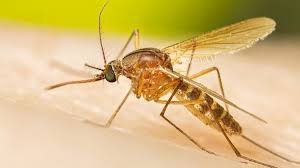
ABUJA, Nigeria – Japanese health-tech firm SORA Technology is preparing to launch drone-guided malaria control in Nigeria as traditional prevention tools weaken across Africa due to changing mosquito behaviour.
SORA’s Chief Operations Officer, Marina Ishikawa tells Vanguard that the company’s AI-driven system has already reduced larvicide costs and improved precision in East and West Africa. “The drones allow us to spray only high-risk breeding sites,” she says. “It dramatically cuts chemical use and labour.”
Nigeria, which records 68 million malaria cases and over 190,000 deaths annually, carries the world’s heaviest malaria burden. WHO data shows that the country accounts for 27% of global cases and over 30% of global malaria deaths.
Ishikawa confirms active discussions with Nigeria’s National Malaria Elimination Programme (NMEP) and says a local representative is coordinating plans for a pilot rollout.
“The drones also reach areas human teams struggle to access,” she explains. “Once we train local operators, they can run the system independently.”
She says changing mosquito behaviour makes larval-stage intervention essential. “As mosquitoes evolve, our response must evolve too,” she notes.
While government adoption takes time, she insists the goal remains clear: “We want to reduce malaria dramatically within the first few years — then push toward zero.”
About the Author


 Mirian Gom
 Otamere Gladness