


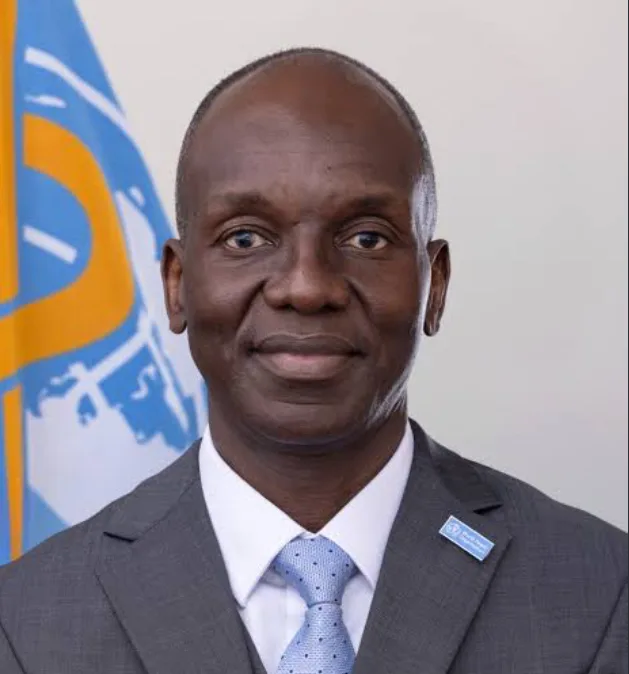
ABUJA, Nigeria – Nigeria currently has no active Ebola cases following the evacuation of the confirmed patient and her husband to Switzerland, according to the World Health Organisation’s Regional Director for Africa, Professor Mohamed Janabi.
Janabi announced this on Monday, saying Nigeria would continue monitoring 52 contacts linked to the case, while Swiss authorities would take responsibility for the patient’s continued medical care and follow-up of her husband, identified as contact number 53.
He said the patient was clinically stable following treatment by Nigerian health workers, who managed her through the acute phase of the illness before the transfer. “The patient is clinically stable. The Nigerian medical team successfully managed her through the acute phase of the illness and stabilised her condition,” Janabi said.
He commended the Federal Government, healthcare workers, clinicians and emergency responders involved in managing the case and coordinating the evacuation.
Nigeria’s Coordinating Minister of Health and Social Welfare, Professor Muhammad Ali Pate, separately confirmed that the evacuation took place with his approval.
Pate said the patient was conscious, communicating and clinically much improved, with laboratory results approaching baseline levels. He cautioned, however, that clinical improvement did not necessarily mean the patient was no longer infectious. “The index patient was clinically much improved, stable, conscious, communicating, and her clinical laboratory test results were closing towards baseline. This does not mean she is not still infectious, hence the strict protocols in place,” Pate said.
He praised the clinical teams for treating the patient and public health personnel for coordinating the transfer.
Pate added that Nigeria would maintain public health measures to prevent further transmission, urging residents to remain vigilant and rely on credible sources of information.
Monitoring of the 52 contacts remaining under Nigerian public health follow-up will continue as part of efforts to identify any possible infections and limit further spread.



Join the conversation