Korede Abdullah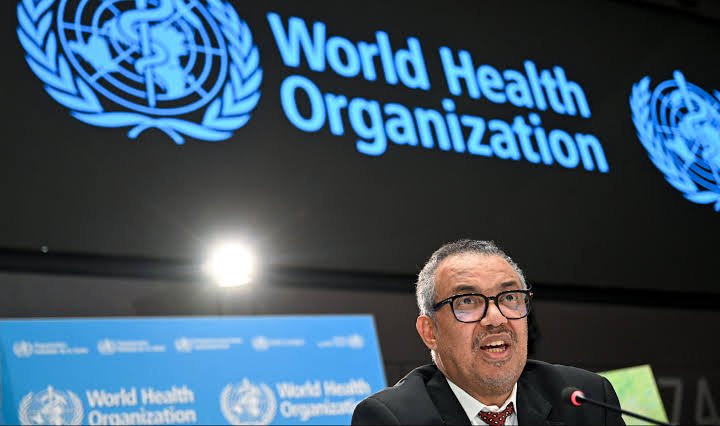
WHO Director-General, Dr Tedros Adhanom Ghebreyesus
DR Congo – The Ebola outbreak in the Democratic Republic of the Congo (DRC) is slowing in some areas but continues to spread in others, with the World Health Organisation (WHO) warning that community deaths and weak contact tracing remain major challenges.
WHO Director-General, Dr Tedros Adhanom Ghebreyesus, said the outbreak had reached 8,665 confirmed cases and 4,178 confirmed deaths.
He said the pattern of transmission varied significantly across affected areas, with new hotspots emerging, including locations near the border with South Sudan. “In some areas, there are clear signs that the epidemic is slowing down, although in others it is continuing to grow,” Tedros said.
The WHO chief said surveillance and contact tracing had improved, with about 2,000 alerts being reported daily.
Community engagement efforts have also expanded, reaching about five million people as health authorities and partners work to improve awareness and interrupt transmission.
Despite the progress, Tedros said the outbreak continued to pose serious challenges, particularly because many infected people were dying before reaching treatment centres. “The majority of deaths still happen in the community instead of in treatment centres, and contact tracing is still not at the level needed,” he said.
Community deaths are a particular concern because delayed identification and treatment can increase the risk of transmission within households and communities.
WHO has previously warned that the DRC outbreak is occurring amid a prolonged humanitarian crisis, insecurity and population movement, factors that complicate surveillance, access to healthcare and outbreak control.
The outbreak is caused by Bundibugyo virus, a species of Ebola for which there is currently no licensed vaccine or specific treatment, according to WHO.
Tedros stressed the need to sustain community engagement and strengthen contact tracing as authorities work to contain transmission in areas where the outbreak remains active.
About the Author



 Mirian Gom