 Oluwatobi Adu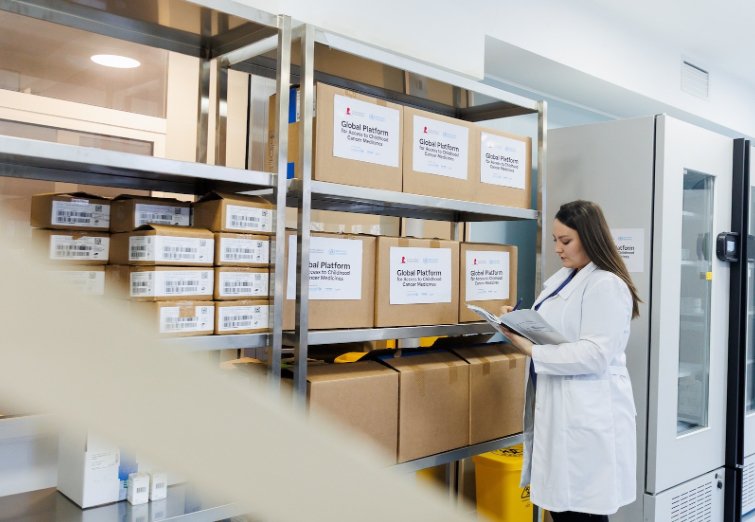
ABUJA, Nigeria – Shortages of childhood cancer medicines are threatening children’s ability to complete treatment in low- and middle-income countries, with a new assessment finding that only about 45 per cent of essential medicines were available across 51 hospitals.
The World Health Organization (WHO) and its partners issued the warning on Tuesday as they launched a new strategy to improve the availability, affordability and quality of childhood cancer medicines worldwide.
The baseline assessment, conducted in 12 countries, found that hospitals experienced persistent problems with medicine availability. Nearly half of the hospitals surveyed reported stockouts lasting at least one month during the previous year.
WHO estimates that about 400,000 children develop cancer each year. However, survival rates vary significantly depending on where children live and whether they can access timely diagnosis and treatment.
The organisation said limited access to quality-assured medicines remains a major barrier to improving childhood cancer survival, despite progress under the Global Initiative for Childhood Cancer.
The initiative has helped strengthen cancer care systems in 90 countries and benefited nearly 500,000 children.
Santiago Millan, WHO Technical Lead for the Global Platform for Access to Childhood Cancer Medicines, said the challenge extends beyond simply producing medicines.
“Access to childhood cancer medicines depends not only on what medicines exist, but on whether markets are able to deliver them reliably, affordably, and at quality,” he said.
“This strategy provides a practical roadmap for governments, manufacturers, procurement partners and civil society to work together to build healthier markets and ensure that more children can complete treatment and survive,” Millan added.
The new strategy covers the period from 2026 to 2030 and seeks to make childhood cancer medicines more consistently available to children who need them.
The plan proposes increasing the number of quality-assured suppliers and combining demand through pooled procurement.
It also recommends publishing medicine forecasts and using volume guarantees to reduce uncertainty for manufacturers and suppliers.
WHO and its partners said stronger and more predictable markets could help prevent stockouts and make essential medicines more affordable.
Dr Carlos Rodriguez Galindo, Executive Vice-President of St Jude and Director of St Jude Global, said children should not lose their chance of survival because essential medicines are unavailable or too expensive.
He said stronger medicine markets could give children in different parts of the world a fairer opportunity to receive life-saving treatment.
The new strategy comes as countries continue efforts to improve childhood cancer outcomes, particularly in low- and middle-income settings where health systems face major resource constraints.
WHO said reliable access to quality-assured childhood cancer medicines would remain critical to ensuring that children diagnosed with cancer can start and complete treatment.
About the Author

 Mirian Gom