 Korede Abdullah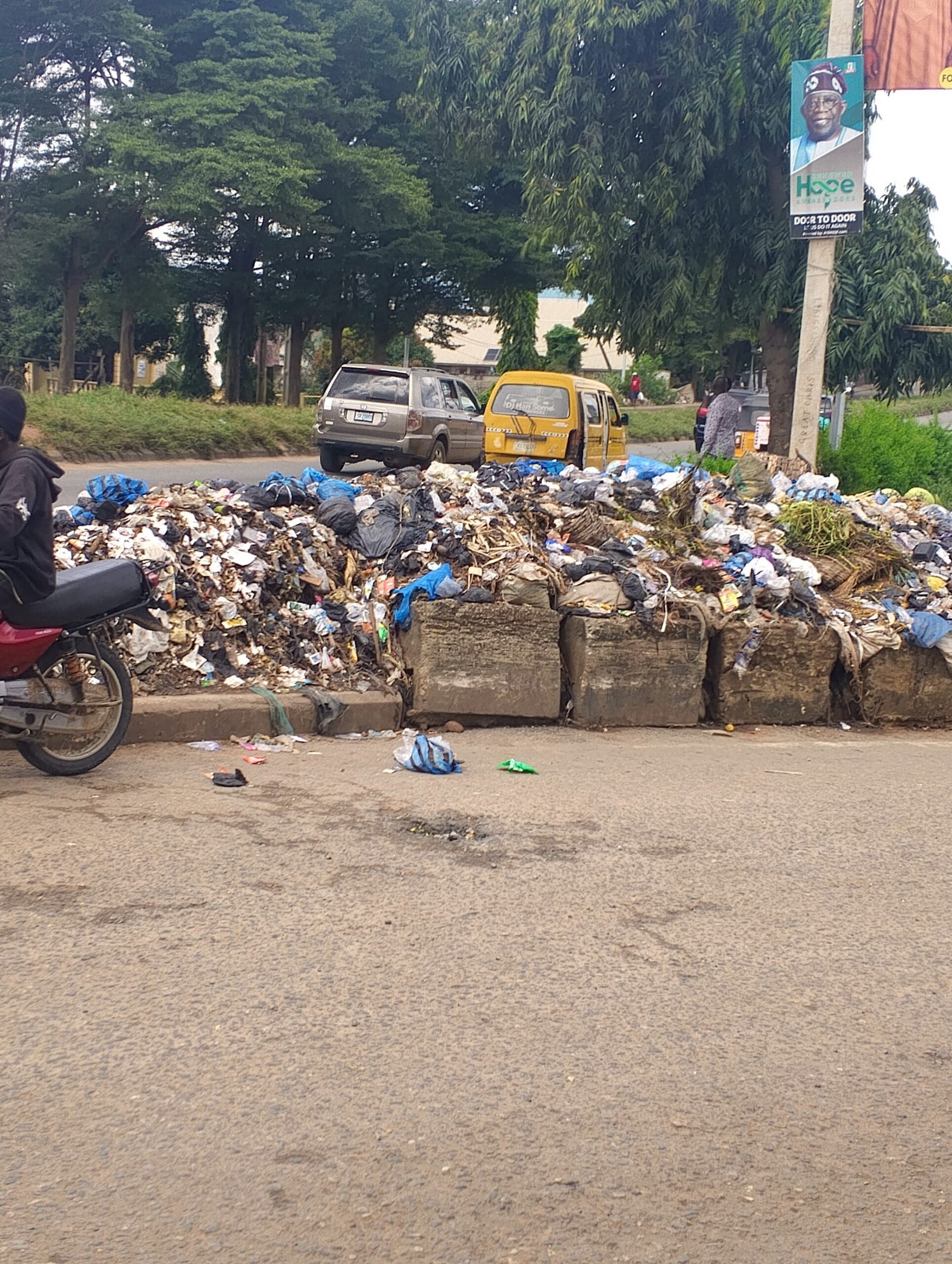
LAGOS, Nigeria – Waste management operators in Lagos have attributed the persistence of illegal dumping to rising operating costs and other challenges, as efforts to clear refuse fail to prevent residents from returning to the same dumping spots.
Speaking to Africa Health Report on Thursday, a PSP waste operator serving parts of Egbeda and Iyana-Ipaja, Joseph Edet, said the cost of operating waste collection trucks and logistical difficulties affect collection schedules.
“Fuel, maintenance and the distance to disposal points affect what we spend on every trip. When trucks are delayed or roads are difficult to access, collection schedules suffer,” he said.
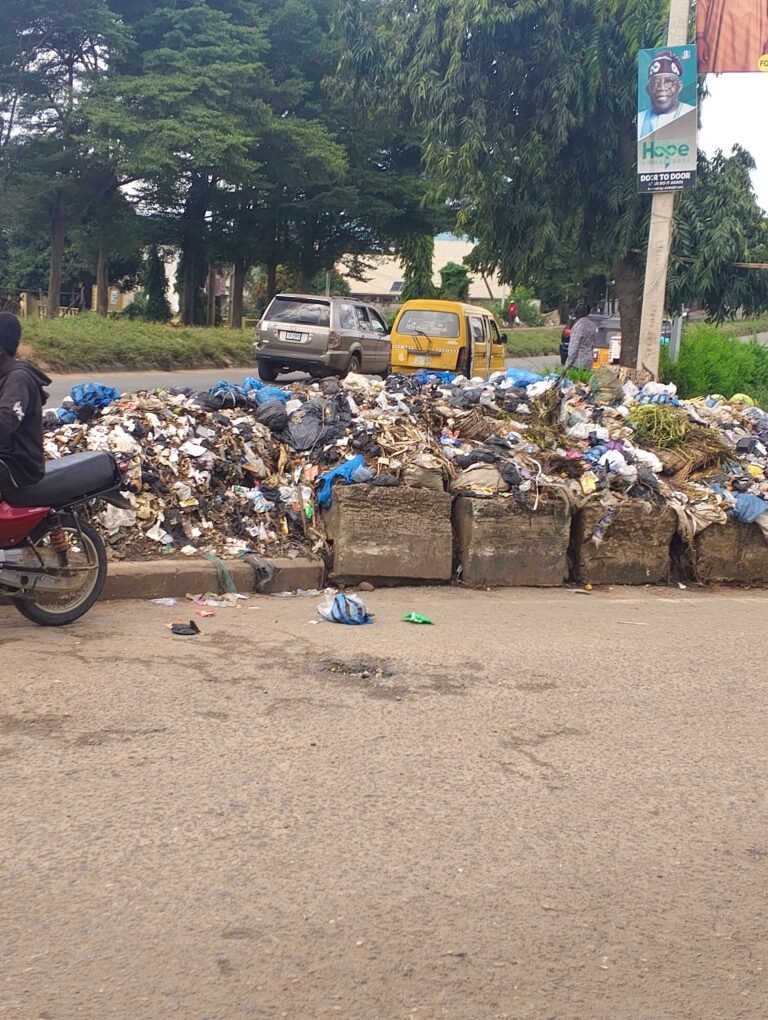
During a visit to Alhaji Ede in Igando, Odo-Eran, Egbeda, Iyana-Ipaja, Idimu and adjoining communities, Africa Health Report observed piles of refuse along roads and inside drainage channels.
At Alhaji Ede, resident Taiwo Adewale said delays in waste collection sometimes leave households with refuse for several days.
“Sometimes we keep our refuse for several days because the collector does not come when expected. When the waste starts smelling, people look for the nearest place to dispose of it,” he said.
Another resident, Rasheedat Balogun, said the cost of regular waste collection could be difficult for some low-income households, particularly when services were inconsistent.
“People know dumping in the drainage is wrong, but some families cannot continue paying when collection is not regular,” she said.
In Idimu, community leader Chief Tunde Akinola said some residents resort to illegal dumping when formal waste collection services are difficult to access.
“We have repeatedly told people not to throw refuse into the drainage, but the government also needs to make proper disposal convenient,” he said.
Director of Environmental Health Services for Alimosho Local Government, Mrs. Odu Elizabeth Olubusola, said residents must also take responsibility for keeping their communities clean.
About the Author


 Mirian Gom