WHO, Peking University Launch Two-Year Partnership on Health Emergency Preparedness
 Oluwatobi Adu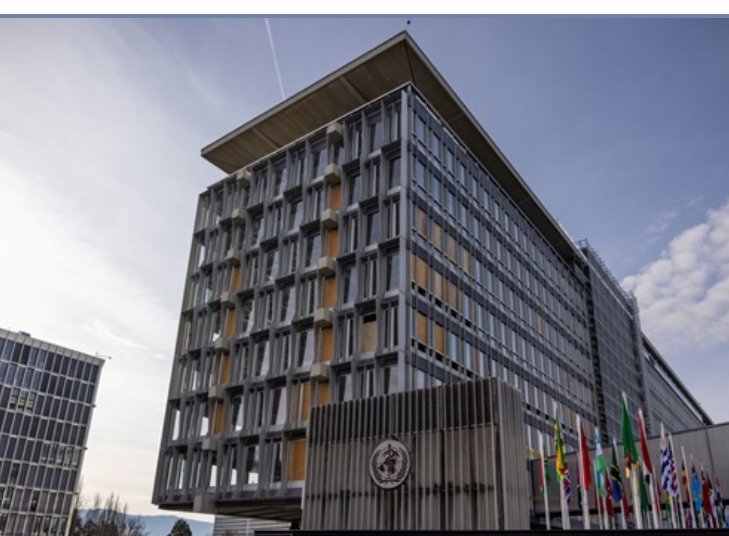
ABUJA, Nigeria – The World Health Organization (WHO) and Peking University have launched a two-year collaboration aimed at strengthening global health emergency preparedness through research, capacity building and improved analytical tools.
WHO announced the agreement on Friday in Geneva, Switzerland, saying the partnership will run from August 1, 2026, to July 31, 2028, with an option for extension by mutual agreement.
The collaboration brings together WHO’s Department of Health Emergency Preparedness and Peking University’s Institute for Global Health to strengthen prevention, preparedness, response and resilience against health emergencies.
According to WHO, the partnership will focus on operational and implementation research while supporting evidence-based decision-making for countries responding to public health threats.
As part of the initiative, both institutions will jointly develop and deliver training programmes on WHO preparedness tools and emergency response approaches for health professionals and policymakers.
“The collaboration will support efforts to strengthen prevention, preparedness, response and resilience for health emergencies,” WHO said.
The agreement also includes the development of methodologies for assessing investments in emergency preparedness and measuring their effectiveness and long-term impact.
WHO noted that the collaboration expands its growing network of academic partnerships, with its Risk Analytics and Action Reviews Unit now maintaining sustained collaborations with four leading universities across different regions of the world.
The organisation said stronger partnerships with academic institutions remain critical to improving countries’ capacity to prepare for future disease outbreaks and health emergencies.
About the Author


 Korede Abdullah
 Mirian Gom