Scotland Confirms Isolated Mad Cow Disease Case, Says No Risk to Food Chain
 Mirian Gom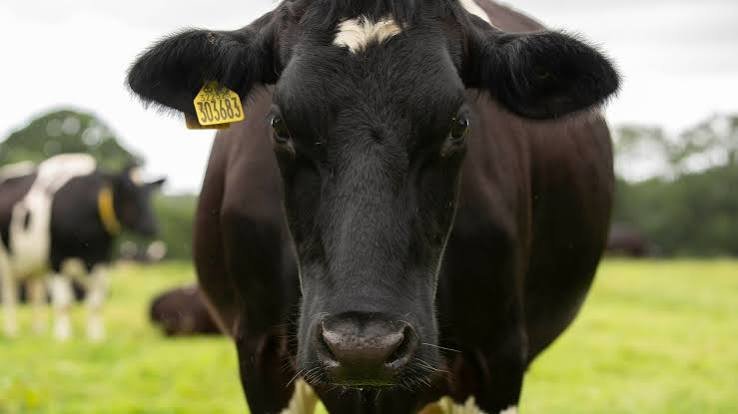
SCOTLAND – Scottish authorities have confirmed a case of classical Bovine Spongiform Encephalopathy (BSE), commonly known as mad cow disease, on a farm in Dumfries and Galloway, while assuring the public that the infected animal did not enter the food chain.
The Scottish Government announced the development on Wednesday, stating that precautionary movement restrictions had been imposed on the affected animal’s offspring and related cattle as part of standard disease-control procedures.
Investigations by the Animal and Plant Health Agency (APHA) are ongoing to determine the source of the infection.
According to the government, the case was identified through Scotland’s routine surveillance programme for BSE.
“The animal did not enter the human food chain and Food Standards Scotland have confirmed there is no risk to human health as a result of this isolated case,” the government said.
Authorities added that all identified cohort animals, including offspring, have been traced, isolated and will be destroyed in accordance with existing regulations.
Scotland routinely tests cattle aged over four years that die on farms as part of its national surveillance programme.
Agriculture Minister Jim Fairlie said authorities acted swiftly following confirmation of the case.
He noted that the rapid detection demonstrated the effectiveness of Scotland’s surveillance system and thanked the livestock owner for promptly reporting the suspected case.
The government also reaffirmed that strict food safety measures remain in place, including the mandatory removal of specified risk materials such as the brain, skull and spinal cord from cattle intended for human consumption.
The United Kingdom experienced a major BSE epidemic during the 1980s and 1990s, leading to the culling of millions of cattle and more than 170 human deaths linked to variant Creutzfeldt-Jakob disease.
About the Author


 Korede Abdullah