WHO: Polio Investments Strengthen Disease Surveillance Across Five African Countries
 Oluwatobi Adu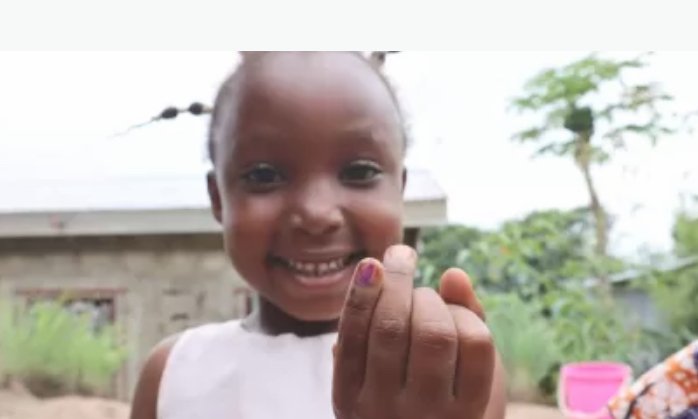
ABUJA, Nigeria – The World Health Organization (WHO) says investments made to eliminate polio are strengthening broader disease surveillance and outbreak response systems across Africa after Burundi, Ghana, Guinea-Bissau, the Republic of Congo and Uganda successfully interrupted recent poliovirus type 2 outbreaks.
In a statement issued on Wednesday, the WHO Regional Office for Africa said independent Outbreak Response Assessment teams carried out evaluations between January and June 2026 before confirming that transmission had been halted in the five countries.
WHO Regional Director for Africa, Dr Mohamed Janabi, described the milestone as evidence of effective collaboration among governments, health workers and development partners.
“These outbreak closures demonstrate what can be achieved through strong national leadership, dedicated health workers and close collaboration between governments, communities and partners,” he said.
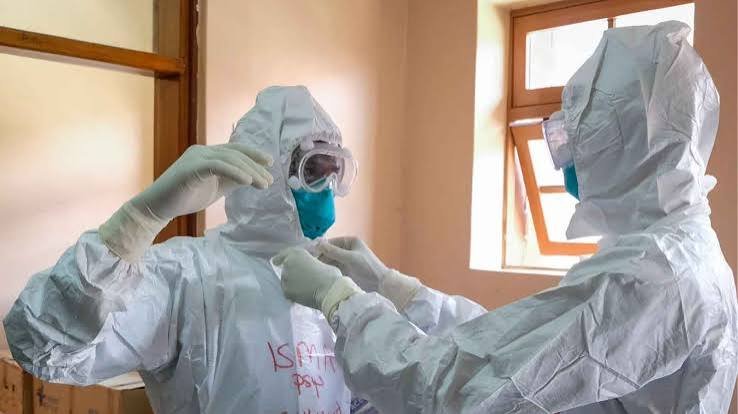
Beyond ending the outbreaks, WHO said investments in polio eradication have improved preparedness for other infectious diseases.
Ghana and Uganda have upgraded laboratory capacity, while several countries have strengthened environmental surveillance, acute flaccid paralysis surveillance, vaccination planning and community mapping to identify underserved populations.
In the Republic of Congo, intensified surveillance and multiple immunisation campaigns followed the country’s last poliovirus detection in December 2023.
Burundi strengthened routine immunisation and environmental surveillance after its outbreak was declared in March 2023, while Guinea-Bissau has remained free of poliovirus detections since July 2021. Uganda also enhanced surveillance following virus detection in May 2024.
Despite the progress, WHO cautioned that outbreak closure does not eliminate the risk of future transmission or virus importation.
The organisation cited the recent detection of poliovirus in Madagascar after an earlier outbreak had been declared over, stressing the need to sustain routine vaccination and surveillance systems.
WHO said maintaining these investments will not only protect children from polio but also strengthen Africa’s capacity to detect and respond to other vaccine-preventable diseases.
About the Author

 Korede Abdullah
 Mirian Gom