Otamere Gladness
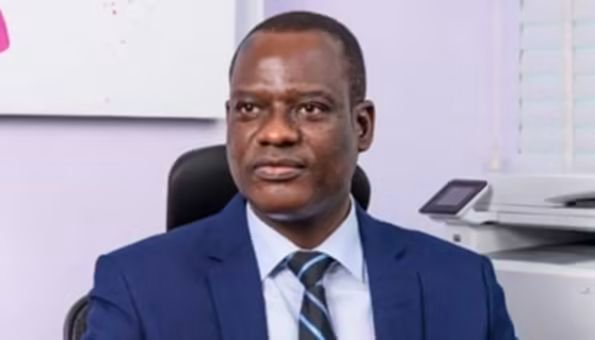
Education Minister Dr Maruf Tunji Alausa
ABUJA, Nigeria – The Minister of Education, Dr Maruf Tunji Alausa, has claimed that President Bola Ahmed Tinubu has fulfilled almost all the promises made during his 2023 presidential campaign, saying the country is experiencing significant progress under the administration.
Alausa made the claim on Sunday in Abuja while receiving the outcomes of the 2025 Nigeria 2050: Child Foresight Analysis for Futures Literacy and Intergenerational Equity.
According to a statement by Ikharo Attah, the minister’s Special Adviser on Media and Communications, Alausa said Nigeria was “back, and back in a powerful way.”
The minister highlighted reforms under the Nigeria Education Sector Renewal Initiative (NESRI), including increased attention to Technical and Vocational Education and Training (TVET), Science, Technology, Engineering and Mathematics (STEM), teacher quality and efforts to reduce the number of out-of-school children.
Alausa said more than one million children had been enrolled in school nationwide over the past two and a half years.
He also questioned longstanding estimates putting Nigeria’s out-of-school population at between 15 million and 17 million, citing more recent state-level household surveys that, he said, suggested lower figures.
The minister said the Federal Government was also expanding medical and nursing training capacity in existing institutions to address skills shortages and reduce pressures contributing to the migration of healthcare professionals.
He pointed to the growing digitisation of the Annual School Census through the National Education Management Information System (NEMIS) as another step towards improving education data and planning.
Alausa said reliable data would be critical to determining the number of children out of school and developing effective interventions to bring them into the education system.
The minister commended the Office of the Vice President and UNICEF for the Child Foresight initiative, describing it as an important tool for understanding the long-term implications of current decisions on children and future generations.
He stressed that sustained investment in education, skills development and human capital would be essential to transforming Nigeria’s youthful population into a demographic dividend.
The Nigeria 2050 Child Foresight initiative focuses on using evidence and future-oriented analysis to help policymakers anticipate emerging challenges affecting children and develop long-term solutions.
About the Author


 Oluwatobi Adu
 Mirian Gom
 Korede Abdullah