 Oluwatobi Adu
GENEVA, Switzerland – The global measles outbreaks crisis is worsening as the United Nations Children’s Fund (UNICEF) and the World Health Organization (WHO) warn that 57 countries recorded large or disruptive measles outbreaks in 2025, driven by persistent gaps in childhood immunisation.
The warning comes on Wednesday with the release of the 2025 WHO-UNICEF Estimates of National Immunization Coverage (WUENIC), which shows that millions of children continue to miss life-saving vaccines despite modest improvements in global immunisation coverage.
According to the report, 7.3 million infants receive the first dose of the diphtheria, tetanus and pertussis (DTP) vaccine but fail to complete the vaccination schedule by missing their first measles vaccine.
As a result, first-dose measles coverage remains at 84 per cent, while second-dose coverage stands at 77 per cent—well below the 95 per cent threshold required to prevent global measles outbreaks.
The agencies report that 90 per cent of infants worldwide, representing nearly 116 million children, receive at least one dose of the DTP vaccine in 2025, while 85 per cent, or about 110 million children, complete the recommended three-dose schedule.
Despite the gains, an estimated 13.5 million children receive no vaccines during their first year of life.
UNICEF and WHO say more than half of the world’s zero-dose children live in fragile, conflict-affected and underserved settings where insecurity, political instability and underfunding continue to disrupt immunisation services.
While countries such as Sudan record improvements in vaccination coverage, others, including Syria, experience significant declines. The agencies also identify vaccine hesitancy and weakening political commitment as contributing factors in several middle- and high-income countries.
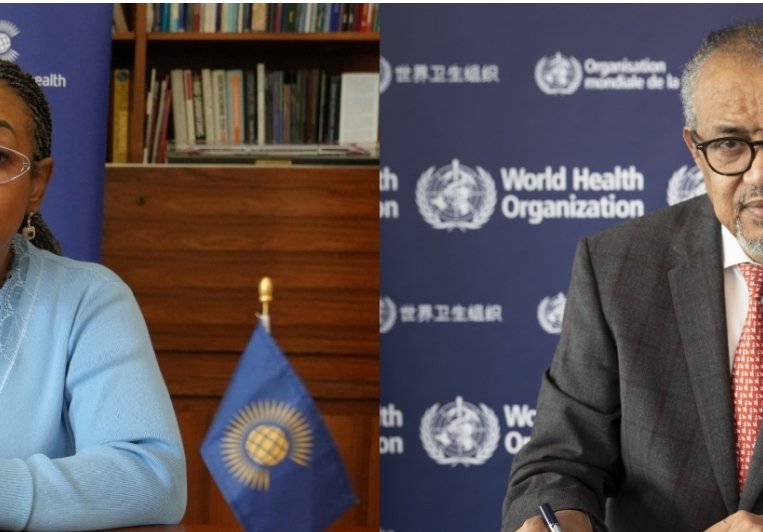
“Every child, whether born into wealth or poverty, peace or conflict, deserves the life-giving protection that vaccines provide. Immunization is one of the most cost-effective, most equitable, and most reliable interventions for protecting children’s health and well-being,” says WHO Director-General Dr Tedros Adhanom Ghebreyesus.
“Our greatest security begins with ensuring that everyone, wherever they may live, is protected from deadly diseases that vaccines have the power to prevent.”
About the Author


 Korede Abdullah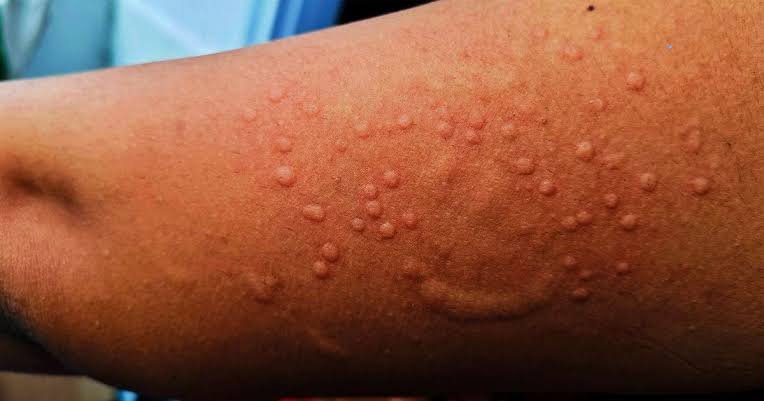
 Mirian Gom