



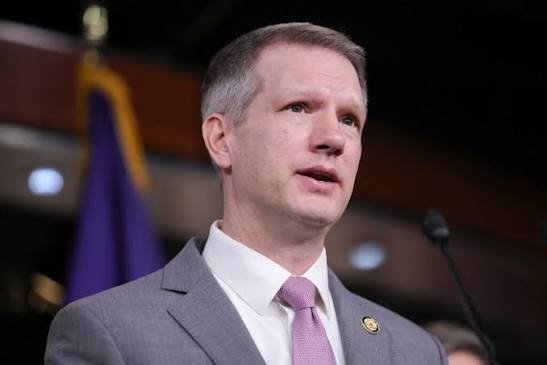
ABUJA, Nigeria – United States Congressman Riley Moore has welcomed the Nigerian Senate’s approval of the state police bill, saying the proposed reform would strengthen security and help protect vulnerable communities, including persecuted Christians.
Moore, who represents West Virginia’s 2nd Congressional District in the U.S. House of Representatives, made the remarks on Wednesday following the Senate’s passage of the Constitution Alteration Bill seeking to establish state police across Nigeria.
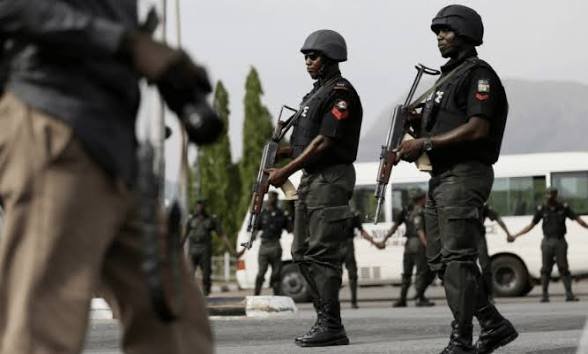
The proposed legislation would create a decentralised policing structure, allowing states to establish their own police services alongside the Nigeria Police Force.
Moore, who has repeatedly spoken about attacks against Christians in Nigeria, said he had long supported the reform.
“I’m encouraged to see Nigeria’s Senate approve legislation to establish state-level police forces—a reform I’ve called for publicly and privately since I first started investigating the genocide against Christians in Nigeria,” he wrote on X.
“I can’t stress how critical this law that will empower states to protect their own citizens and reducing dependence on decision makers in Abuja is to the effort to defend persecuted Christians and address insecurity.”
He also praised President Bola Tinubu for supporting the initiative.
“President Tinubu deserves credit for pushing it forward, but now we need two-thirds of the states to ratify before it will take effect,” Moore added.
The Senate approved the constitutional amendment after more than two-thirds of senators voted in favour during a manual voting process.
Under the proposed framework, governors would appoint state commissioners of police, subject to confirmation by state Houses of Assembly.
The bill also includes safeguards intended to prevent abuse of state police powers, stating that officers cannot be deployed against individuals or groups solely for criticising state governments except in accordance with the law.
The legislation must still secure approval from at least two-thirds of state assemblies before becoming part of the Constitution.
Supporters argue that state policing could improve local security responses, while critics have expressed concerns over possible political interference and abuse of power.
The debate over state police has remained one of Nigeria’s most significant constitutional and security issues for decades.


Join the conversation