
 Oluwatobi Adu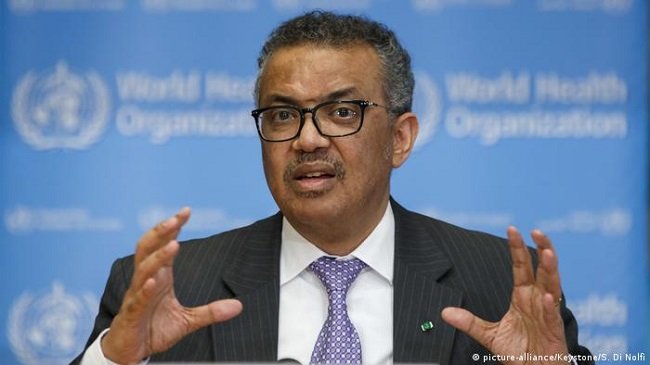
World Health Organisation (WHO), Director-General, Dr. Tedros Adhanom Ghebreyesus
GENEVA, Switzerland – Brazilian President Luiz Inácio Lula da Silva and World Health Organization Director-General Dr Tedros Adhanom Ghebreyesus have urged governments worldwide to accelerate negotiations on the Pandemic Agreement, warning that delays could leave the world vulnerable to future health emergencies.
In an open letter released ahead of the G7 Summit, the two leaders called on members of the G7, G20, BRICS and other nations to help conclude talks on the Pathogen Access and Benefit Sharing (PABS) annex—a critical component required before the Pandemic Agreement can enter into force.
Negotiators are scheduled to meet from July 6 to 17 to resolve outstanding issues.
The appeal comes amid growing concerns that the lessons of the COVID-19 pandemic, which claimed millions of lives and caused widespread economic disruption, may remain unfulfilled without a binding international framework.
Lula and Tedros stressed that rapid sharing of pathogen data and biological materials is essential for developing diagnostics, treatments and vaccines during future outbreaks.
However, they argued that countries sharing pathogens must also benefit fairly from the resulting medical products.
“The PABS system rests on a simple, fair bargain: those who share dangerous pathogens quickly must be able to trust that the vaccines and treatments born from that sharing will reach their own people too,” the letter stated.
The leaders urged governments to grant negotiators sufficient authority and flexibility to reach a final deal by July 17.
They also sought to address concerns over national sovereignty, emphasising that the Pandemic Agreement does not give WHO powers to impose domestic measures such as lockdowns, travel restrictions or vaccine mandates.
Equity remains central to the negotiations, with advocates arguing that a transparent and predictable framework would provide legal certainty for governments, laboratories and industry partners during future crises.
Warning that another pandemic could emerge within the next decade, Lula and Tedros pointed to climate change, environmental degradation and advances in biotechnology as factors increasing global health risks.
“The next pandemic will not wait for us,” they wrote.
The leaders described the agreement as a promise to future generations and to the millions who lost their lives during COVID-19, urging nations to act collectively before the next global emergency strikes.
About the Author



 Hope Ajayi