
 Mirian Gom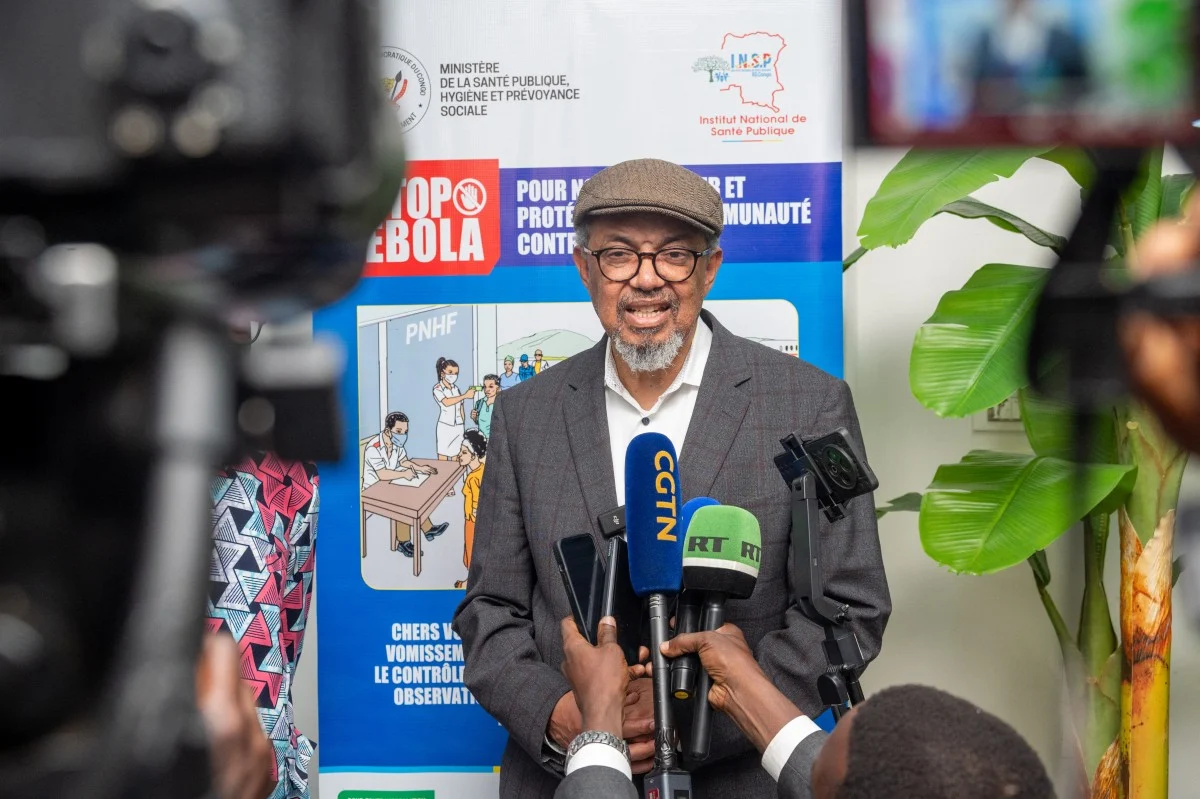
BUNIA, DR Congo – The World Health Organization has warned that travel restrictions and border closures imposed over the Ebola outbreak in the Democratic Republic of Congo could undermine efforts to contain the disease and discourage transparency.
Speaking in Bunia on Saturday, WHO Director-General, Tedros Adhanom Ghebreyesus, said the latest outbreak presents unique challenges because it involves the Bundibugyo strain of Ebola, for which there is currently no licensed vaccine or approved treatment.
The outbreak is unfolding amid insecurity, fragile healthcare systems and vulnerable communities in eastern Congo, he noted.
“These measures make the response harder, and they discourage the transparency that saves lives,” Tedros warned while appealing to countries that imposed travel restrictions to reconsider their decisions.
Despite the absence of approved vaccines, the WHO chief said some patients have already recovered through supportive medical care and early treatment.
“Ebola caused by the Bundibugyo virus can be survived with good medical care, and some people here in Ituri have already recovered. Seeking care early makes a real difference,” he said.
WHO said it is working with partners to accelerate clinical trials for vaccines and treatments while supporting the Congolese government’s response efforts.
Tedros stressed that community engagement will play a decisive role in ending the outbreak.
“We are not here to tell people what to do. We are here to listen. Communities understand their own challenges and their own solutions,” he said.
The organisation plans to engage women’s groups, religious leaders, youth organisations and business leaders to strengthen awareness and local participation.
WHO also urged communities to adopt safe burial practices, warning that contact the bodies of Ebola victims remains a significant source of transmission.
The agency reaffirmed its commitment to supporting the Democratic Republic of Congo beyond the current outbreak through investments in hospitals, laboratories and healthcare workers.
About the Author


 Hope Ajayi
 Korede Abdullah