
Pandemic Fears Dominate World Health Assembly as Nigeria Pushes Reforms
 Korede Abdullah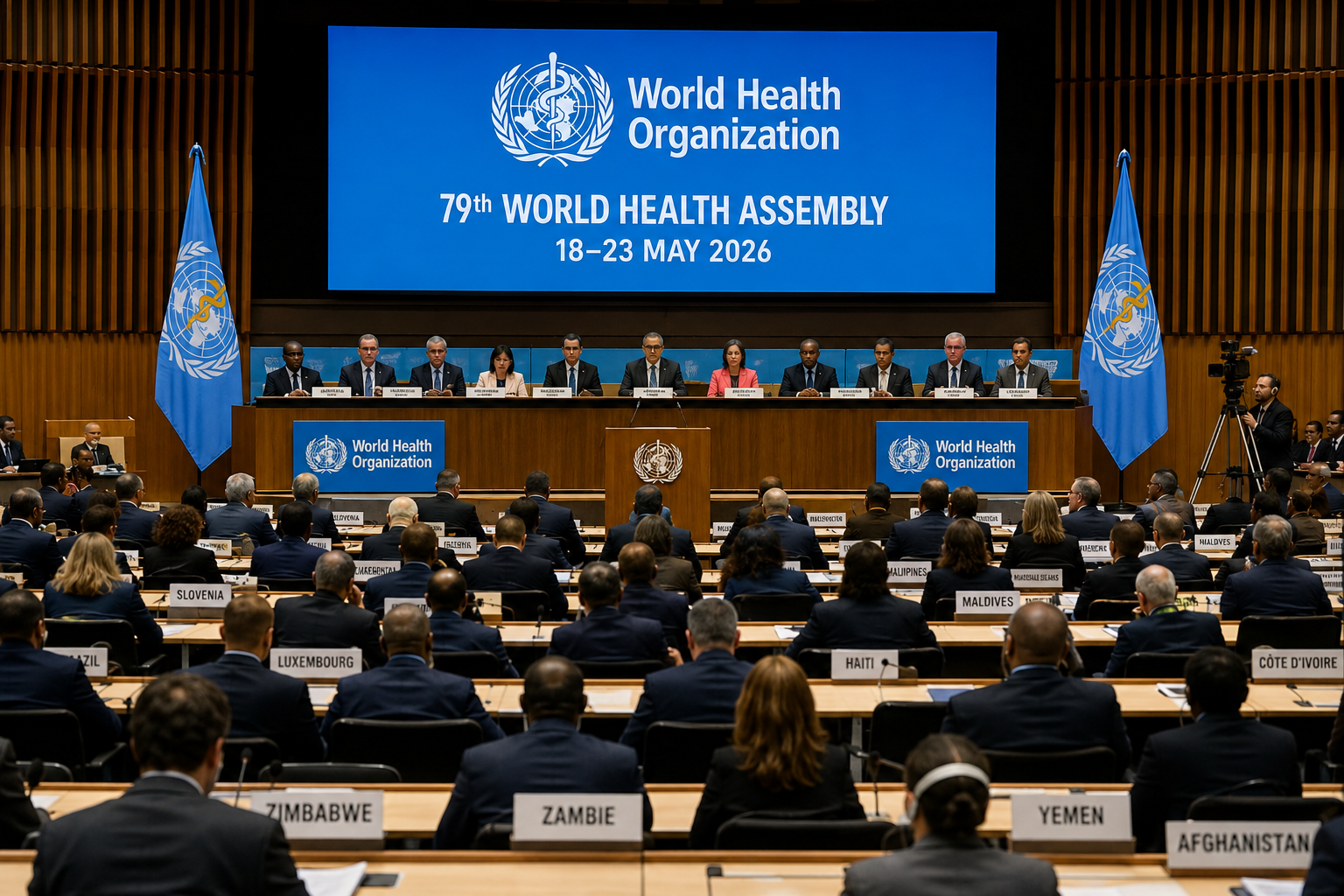
GENEVA, Switzerland – Delegates at the World Health Assembly have intensified negotiations on pandemic preparedness and global healthcare financing as fears grow over the world’s readiness for future disease outbreaks.
The 79th assembly, convened by the World Health Organization in Geneva, entered its second day on Tuesday with discussions centred on pandemic response, universal health coverage, climate-related health threats and shrinking international health funding.
WHO Director-General Tedros Adhanom Ghebreyesus warned that recent outbreaks and funding cuts show the world remains vulnerable to another global health crisis.
“The world is not yet meaningfully safer,” Tedros told delegates.
Nigeria’s delegation, led by Coordinating Minister of Health and Social Welfare Muhammad Ali Pate, participated in high-level sessions on sustainable healthcare financing and universal health coverage.
Nigerian officials joined discussions co-hosted with Japan and the United Nations Foundation on strategies to sustain healthcare systems amid declining donor support.
For Nigeria, the summit holds major significance as the country seeks to strengthen disease surveillance, improve vaccine access and reduce dependence on foreign health financing.
A major focus of negotiations remains the proposed Pandemic Agreement, designed to improve global disease surveillance, information sharing and equitable access to vaccines, medicines and diagnostics during future outbreaks.
Former John Dramani Mahama urged African nations to prioritise self-reliant healthcare financing, warning that declining international aid should push governments to strengthen domestic health systems.
Meanwhile, geopolitical tensions surfaced after member states rejected a proposal seeking observer participation for Taiwan following objections from China.
Climate change and health financing also dominated side events as delegates discussed the rising impact of air pollution, extreme heat and fossil fuel dependence on public health outcomes worldwide.
The summit continues until May 23, with decisions expected to shape Nigeria’s future strategies on epidemic preparedness, vaccine access and healthcare system resilience.
About the Author


 Oluwatobi Adu
 Mirian Gom

 Hope Ajayi