
 Mirian Gom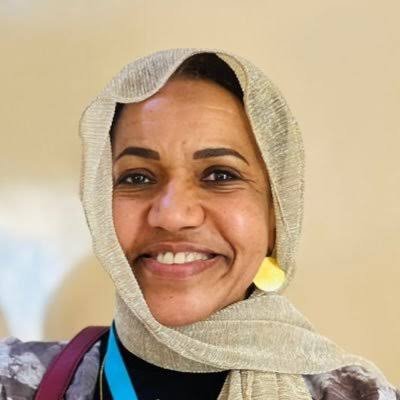
UNICEF Nigeria Representative Wafaa Saeed
ABUJA, Nigeria – The United Nations Children’s Fund (UNICEF) has urged Nigerian policymakers and development partners to move beyond collecting research and data and use the evidence to improve decisions and outcomes for children.
UNICEF Representative in Nigeria, Wafaa Saeed, made the call on Wednesday at the Knowledge for Use (K4U) Summit on Child Rights in Abuja.
Saeed said collecting data without using the findings to change policies and programmes remained a major challenge. “We spend a lot of time collecting data and collecting evidence, but if we don’t use it, it becomes a huge problem,” she said.
She urged stakeholders to examine what worked, what failed and why, saying lessons from unsuccessful interventions should be used to improve future programmes. “We have to learn from what is not working well,” Saeed said.
She said young people had lived experiences that made them “experts in their own issues” and should therefore have a meaningful role in decisions affecting them. “What has really stayed with me is the message from young people, that they don’t want us just to give them back the feedback, but they want us to have a co-creation of the learning itself,” she said.
Head of the UN Resident Coordinator’s Office, Suzanne Suh, said knowledge should not remain information stored in reports or databases but should guide decisions and connect generations.
Suh said research, evaluations and assessments provided evidence that governments and partners could use to develop policies that protect and empower children. “Knowledge is only powerful when it is accessible, inclusive, and actionable,” Suh said.
UNICEF Nigeria’s Chief of Planning and Monitoring for Results,Wayne Bacale, said the summit was designed to examine research, evaluations and assessments on child rights and identify ways to translate findings into action.
About the Author



 Korede Abdullah

 Oluwatobi Adu